 Arjuna Badger Press
Place Wiki
The Walls of Uruk — real places & people
<!-- hand-authored -->
The Epic of Gilgamesh · companion · A photo wiki for travellers and curious readers. Uruk is archaeology now; the Flood Tablet is clay you can still stand in front of. The poem the scribes baked happened — if the king happened — on this ground. Read online · All place wikis
Places of awe — Uruk and the southern plain
Uruk (Warka) — brick still rising from the plain.

Jan Jerszyński, CC BY 3.0, via Wikimedia Commons. Plate P-01.
Cedars of Lebanon — the forest Gilgamesh and Enkidu sought.
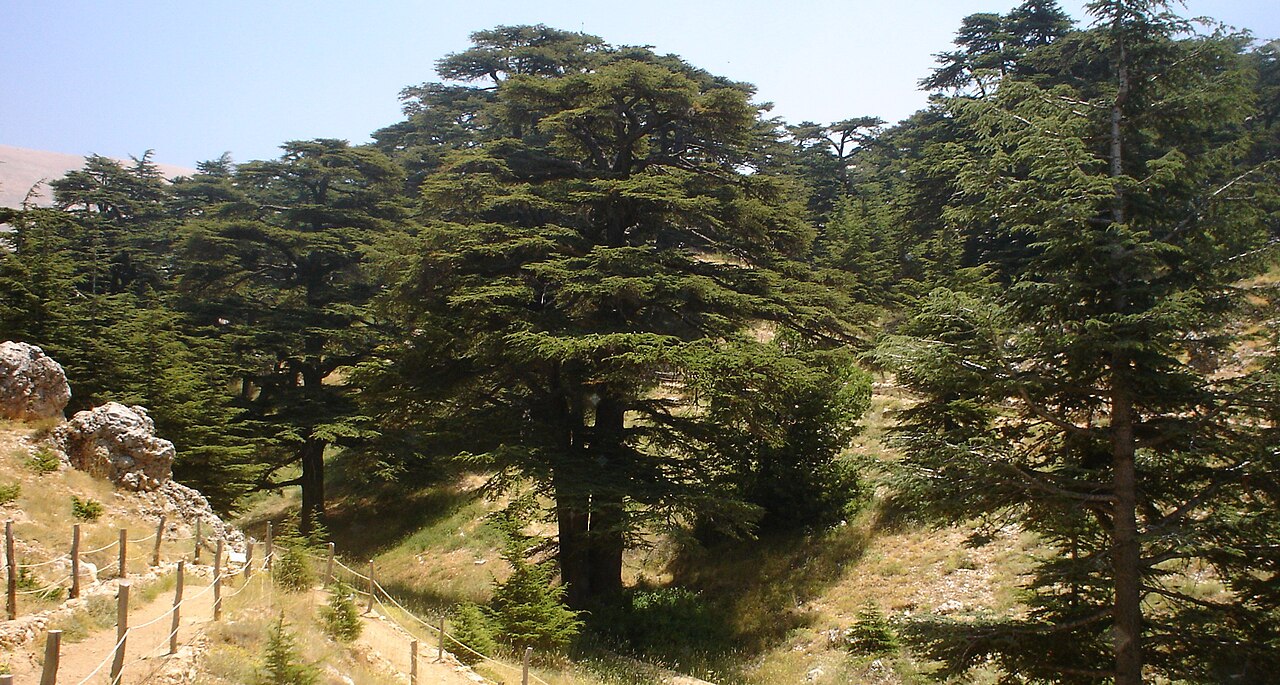
Xtcrider, public domain, via Wikimedia Commons. Plate P-03.
Things of wonder (made by hand)
The Flood Tablet — Gilgamesh XI, from Nineveh.

BabelStone, CC0, via Wikimedia Commons. Object K.3375, Library of Ashurbanipal. Plate P-11.
Gilgamesh cuneiform — clay that still carries the epic.

Osama Shukir Muhammed Amin, CC BY-SA 4.0, via Wikimedia Commons. Neues Museum VAT 12890. Plate P-07.
Cylinder seal — hero combat in miniature.

Daderot, public domain, via Wikimedia Commons. Morgan Library & Museum. Plate P-04.
Humbaba (Huwawa) — the demon of the Cedar Forest.

Osama Shukir Muhammed Amin, CC BY-SA 4.0, via Wikimedia Commons. Ancient Orient Museum, Istanbul. Plate P-05.
Gilgamesh and the Lion — Neo-Assyrian relief (hero type).

Jastrow, public domain, via Wikimedia Commons. Louvre AO 19862 — the “Gilgamesh” hero type of Assyrian palace relief. Plate P-02.
Burney Relief — Queen of the Night (Ishtar / Ereshkigal type).
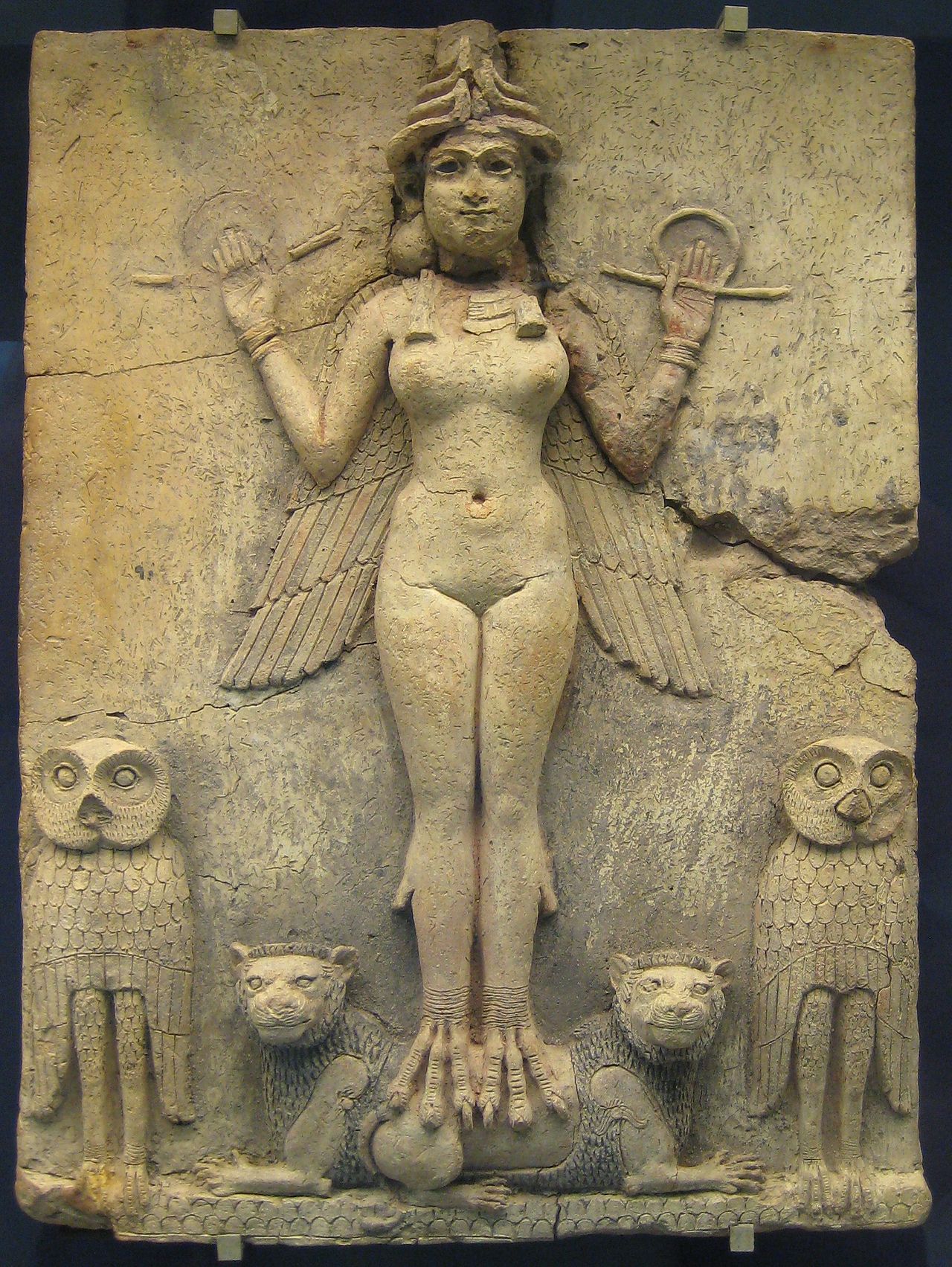
BabelStone, CC0, via Wikimedia Commons. British Museum 2003,0718.1. Plate P-06.
Ishtar Gate — glazed brick, rebuilt in Berlin.

Osama Shukir Muhammed Amin, CC BY-SA 4.0, via Wikimedia Commons. Plate P-15.
The journey — road, waters, underworld
Scorpion-man (girtablullû) — guardian of the sun’s path.

Walters Art Museum, public domain, via Wikimedia Commons. Plate P-09.
Tablet of Shamash — the sun god enthroned.

Prioryman, CC BY-SA 4.0, via Wikimedia Commons. From Sippar. Plate P-16.
Siduri’s shore — a boat on the Tigris.

Matson Collection, Library of Congress, public domain, via Wikimedia Commons. Plate P-10.
Pazuzu — underworld demon in bronze.

Daderot, CC0, via Wikimedia Commons. Plate P-12.
Lament — mortal grief in Assyrian stone.
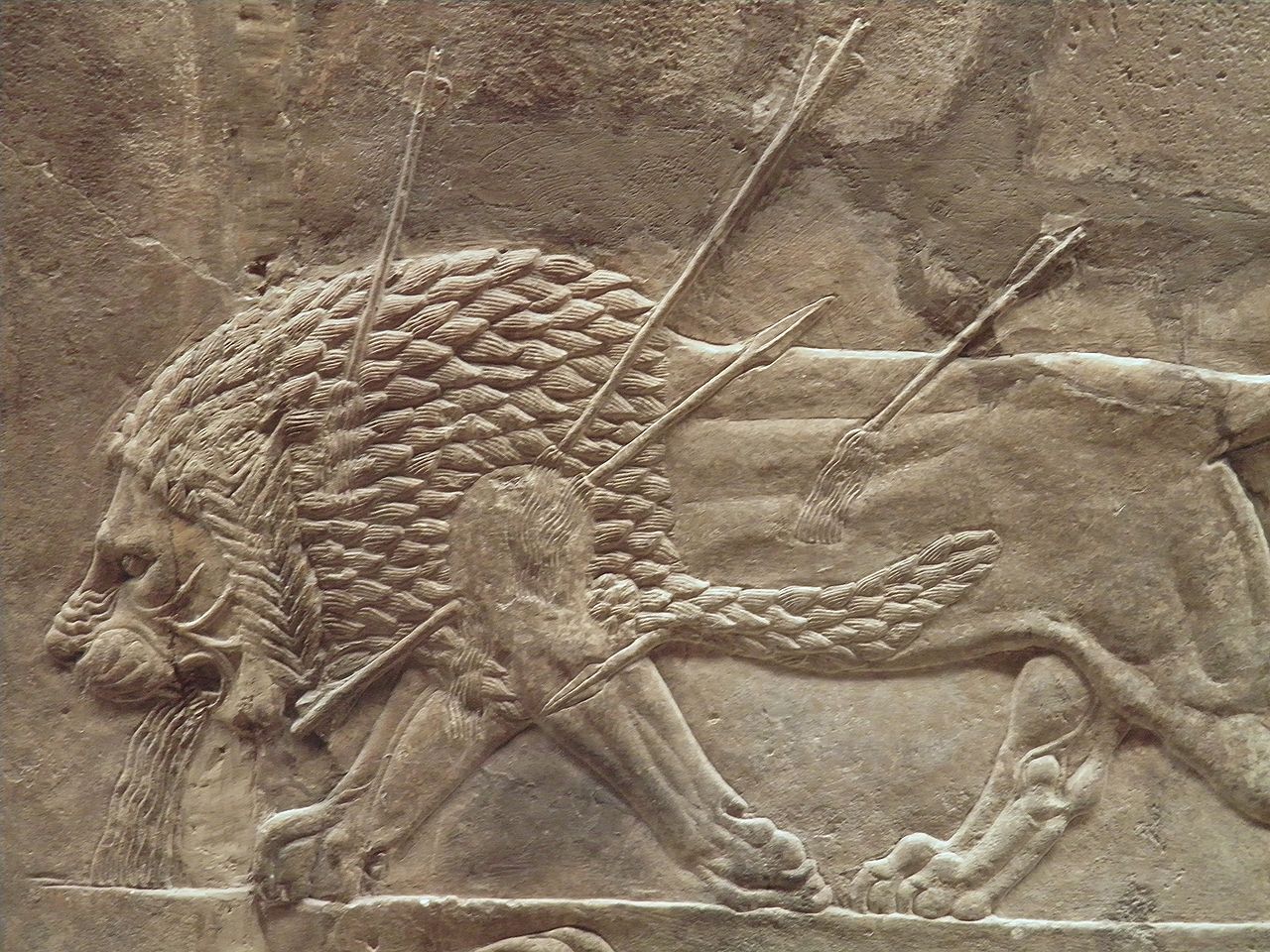
Carole Raddato, CC BY-SA 2.0, via Wikimedia Commons. Approximation for Gilgamesh’s lament. Plate P-08.
Places of awe — Nineveh and the library
Kuyunjik — where Ashurbanipal’s tablets waited under ash.

Fredarch, CC BY-SA 3.0, via Wikimedia Commons. Plate P-13.
Library of Ashurbanipal — a tablet from the royal shelves.

Jastrow, CC BY 2.5, via Wikimedia Commons. Birth legend of Sargon; Nineveh excavation. Plate P-14.
All photographs are freely licensed (public domain / CC) via Wikimedia Commons. See each caption for author and licence. Local plate files and full credits: books/history-before-time/companions/the-walls-of-uruk/design/plates/PLATES.md. Museum object IDs should be checked against current placards before travel writing hardens.