 Arjuna Badger Press
Place Wiki
The Felt and the Sky — real places & people
The Unheard · Mongolia · A photo wiki for travellers and curious readers. The novel is fiction; these grounds are real — go stand in them. Read the book · All place wikis
Places of awe
The open steppe — land that reads as empty and is the most precisely known ground they walk.
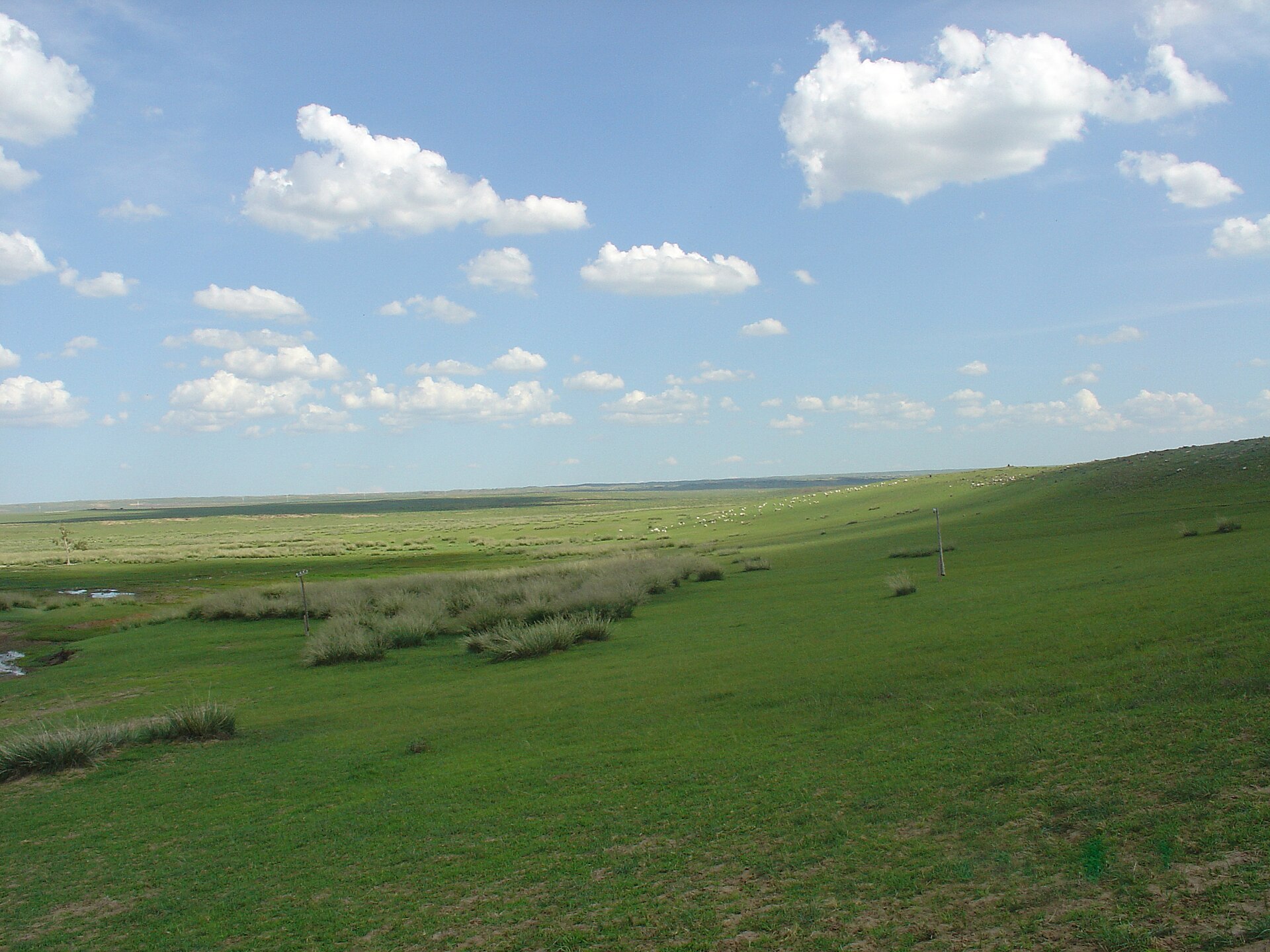
Shizhao, CC BY-SA 3.0, via Wikimedia Commons
The Orkhon Valley — a thousand years of nomadic pastoral civilisation, UNESCO-listed.
Bernard Gagnon, CC0, via Wikimedia Commons
The Gobi — from +45°C to −40°C, the country the herders' judgement crosses.
Marcin Konsek, CC BY-SA 4.0, via Wikimedia Commons
Lake Khövsgöl — the northern water of the steppe.
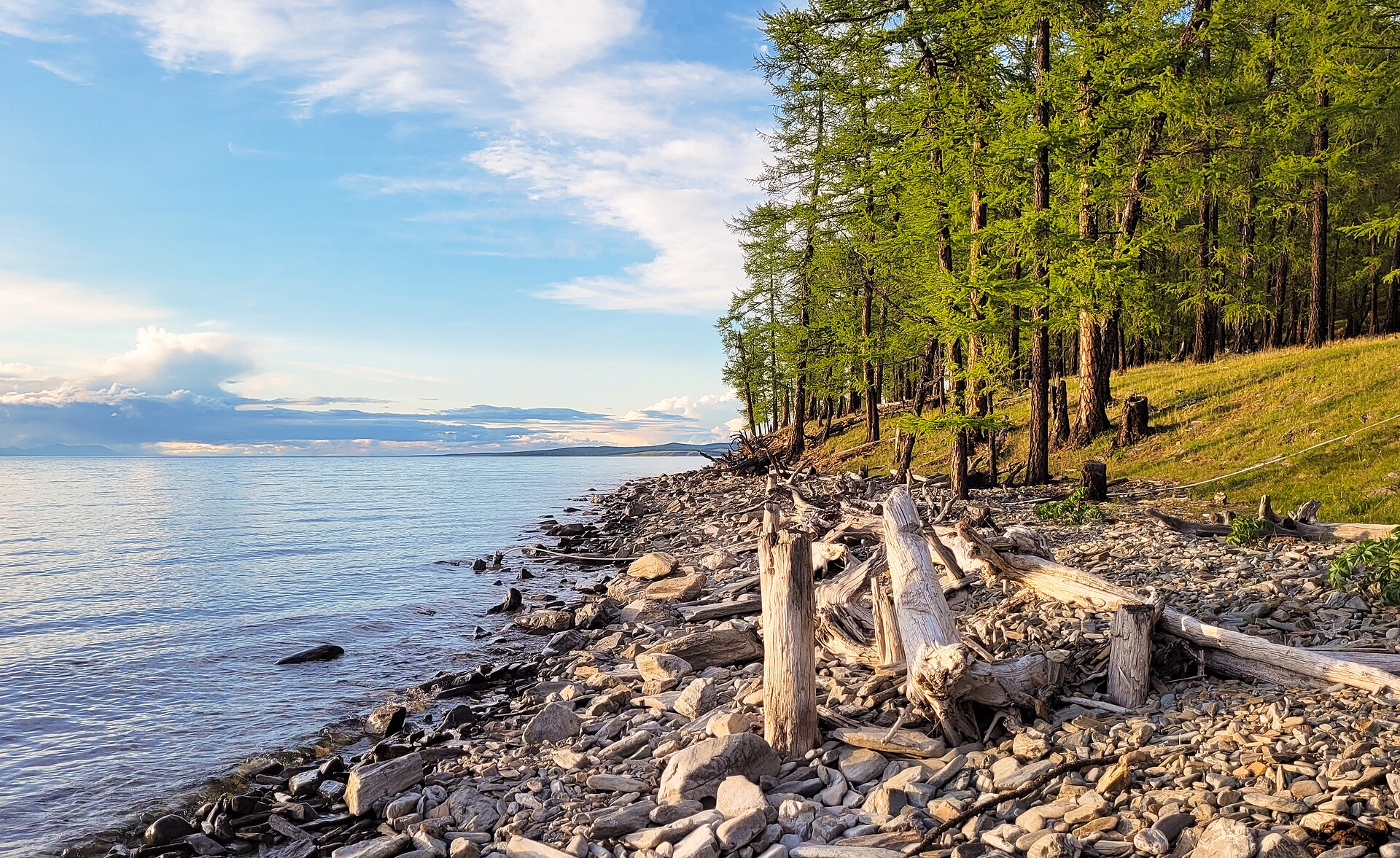
Bernard Gagnon, CC0, via Wikimedia Commons
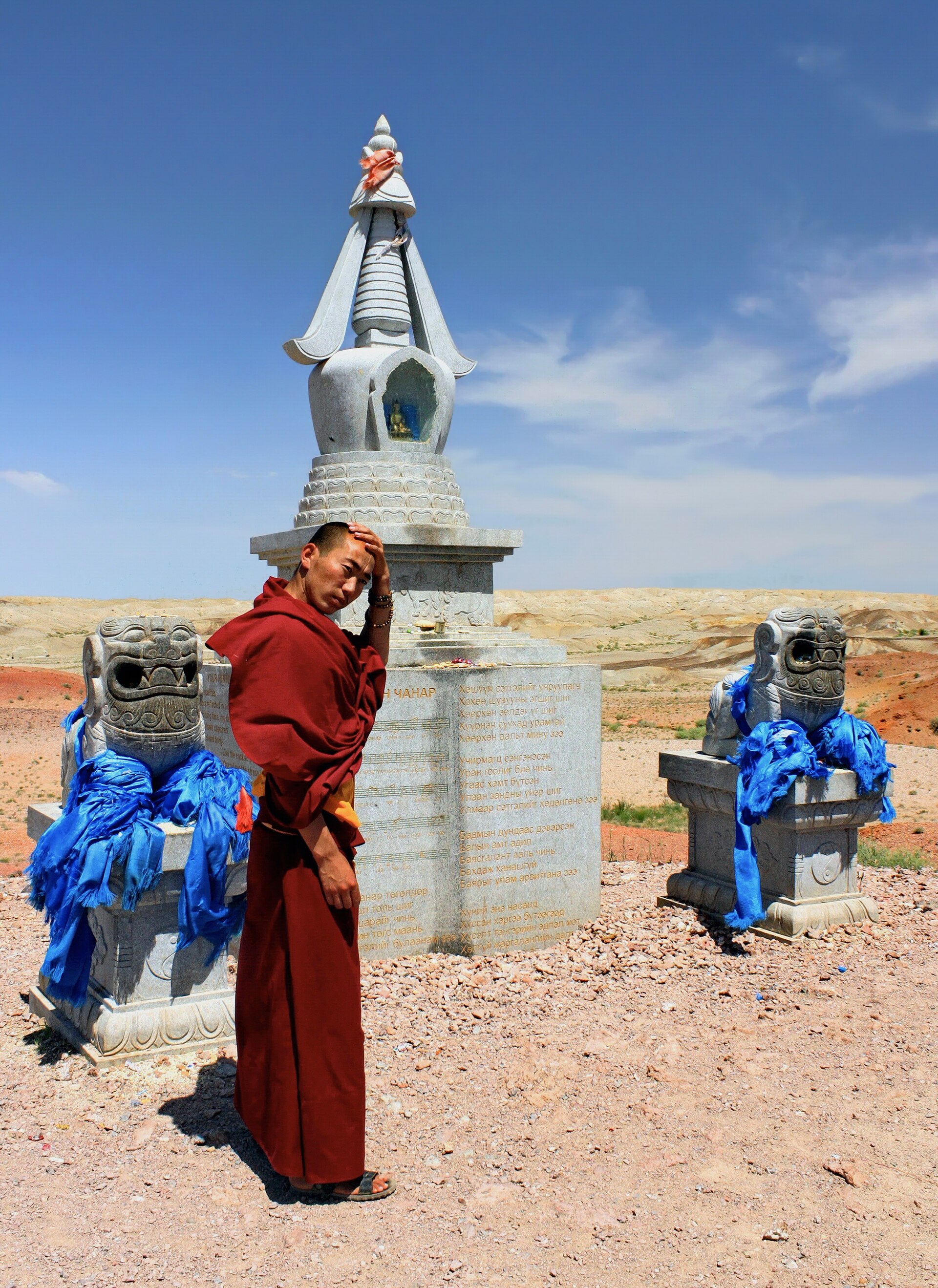
Erdene Zuu at Kharkhorin — the old capital ground, where stone meets felt.
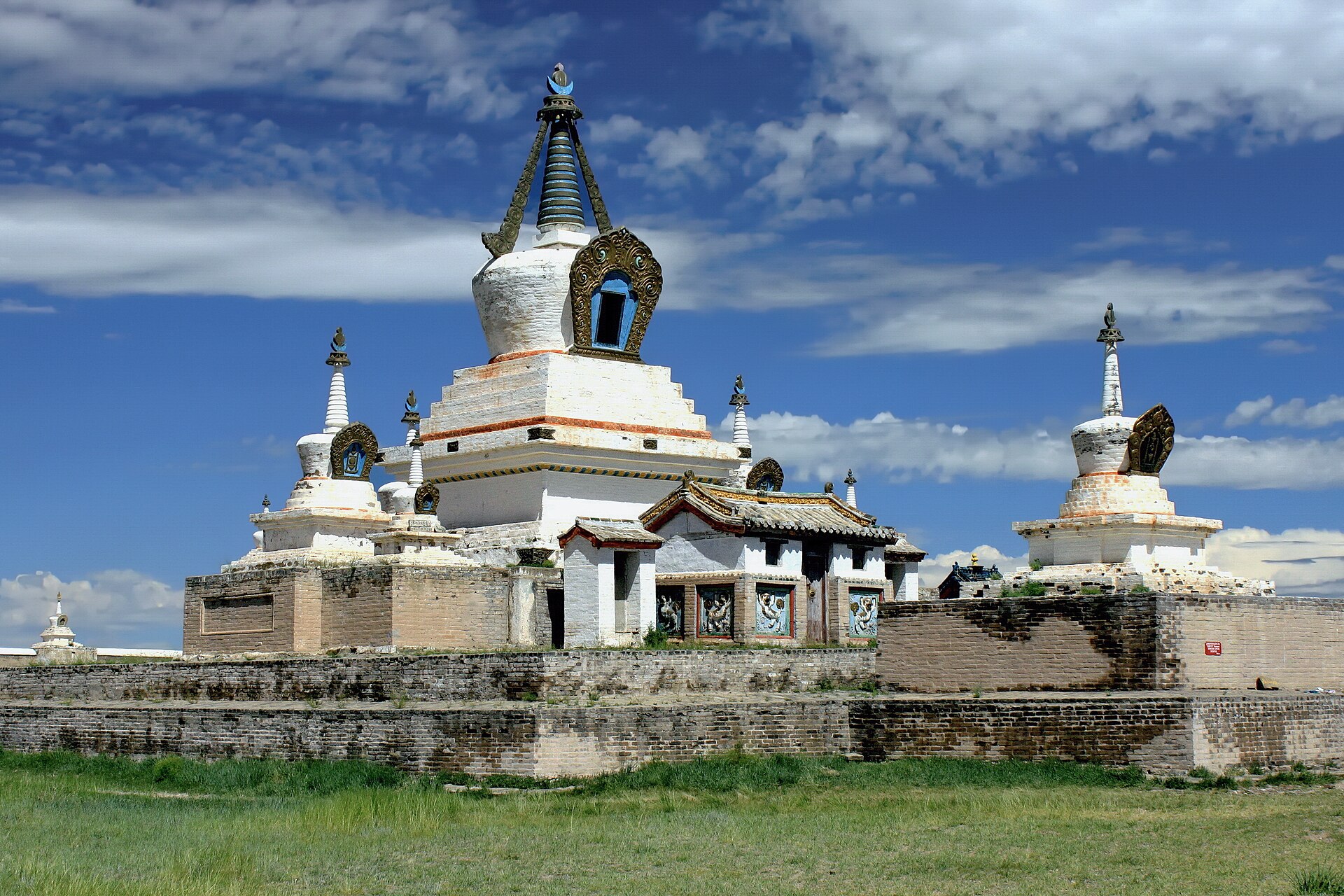
Marcin Konsek, CC BY-SA 4.0, via Wikimedia Commons
Things of wonder (made by hand)
The ger — felt from the herders' own sheep; the sheep are the house, raised in three hours.
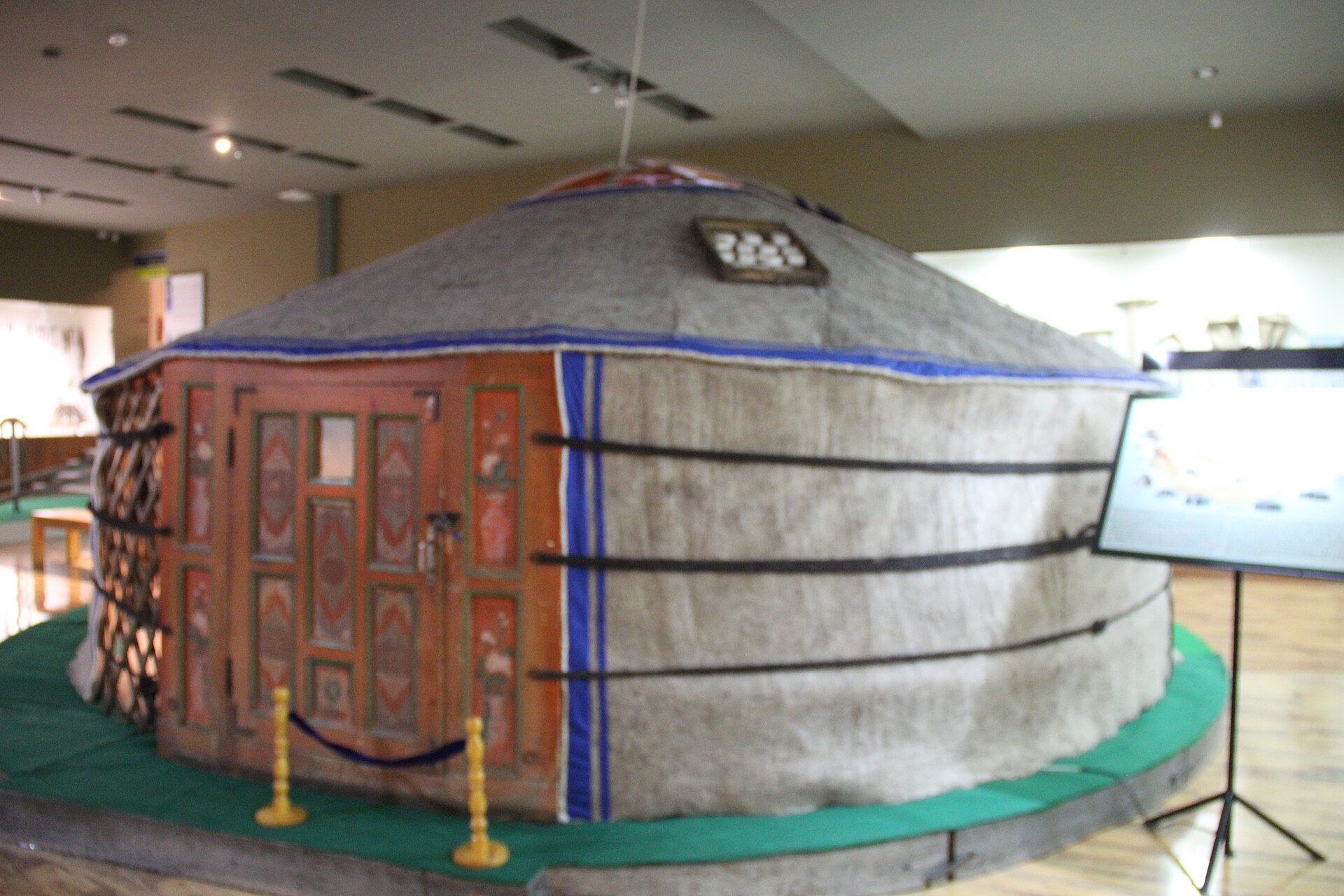
Gary Todd, CC0, via Wikimedia Commons
The morin khuur (horse-head fiddle) — the steppe's two-string voice at the fire.
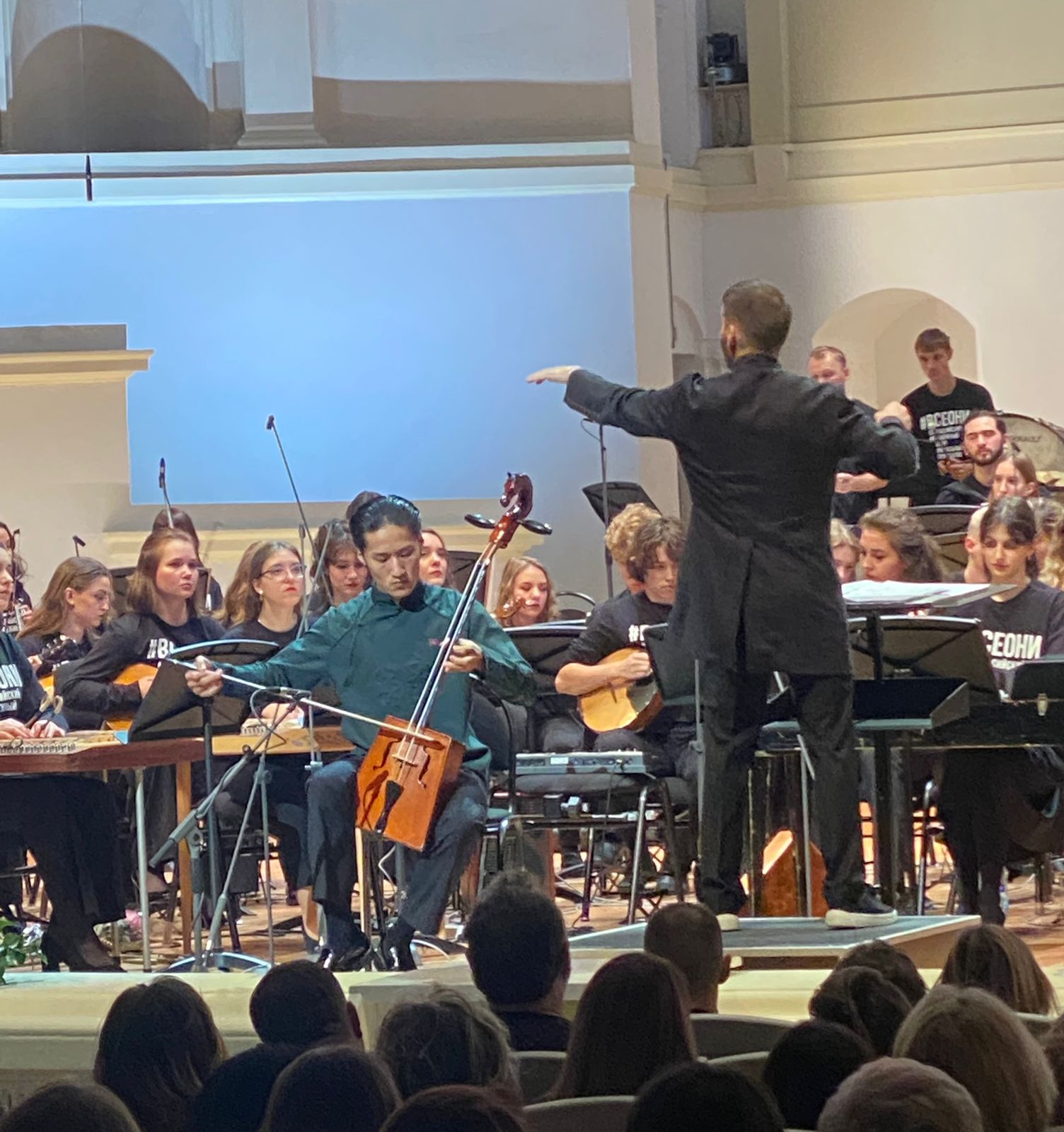
ClipperDB, CC0, via Wikimedia Commons
Deer stones — Bronze Age standing stones carved across the steppe.
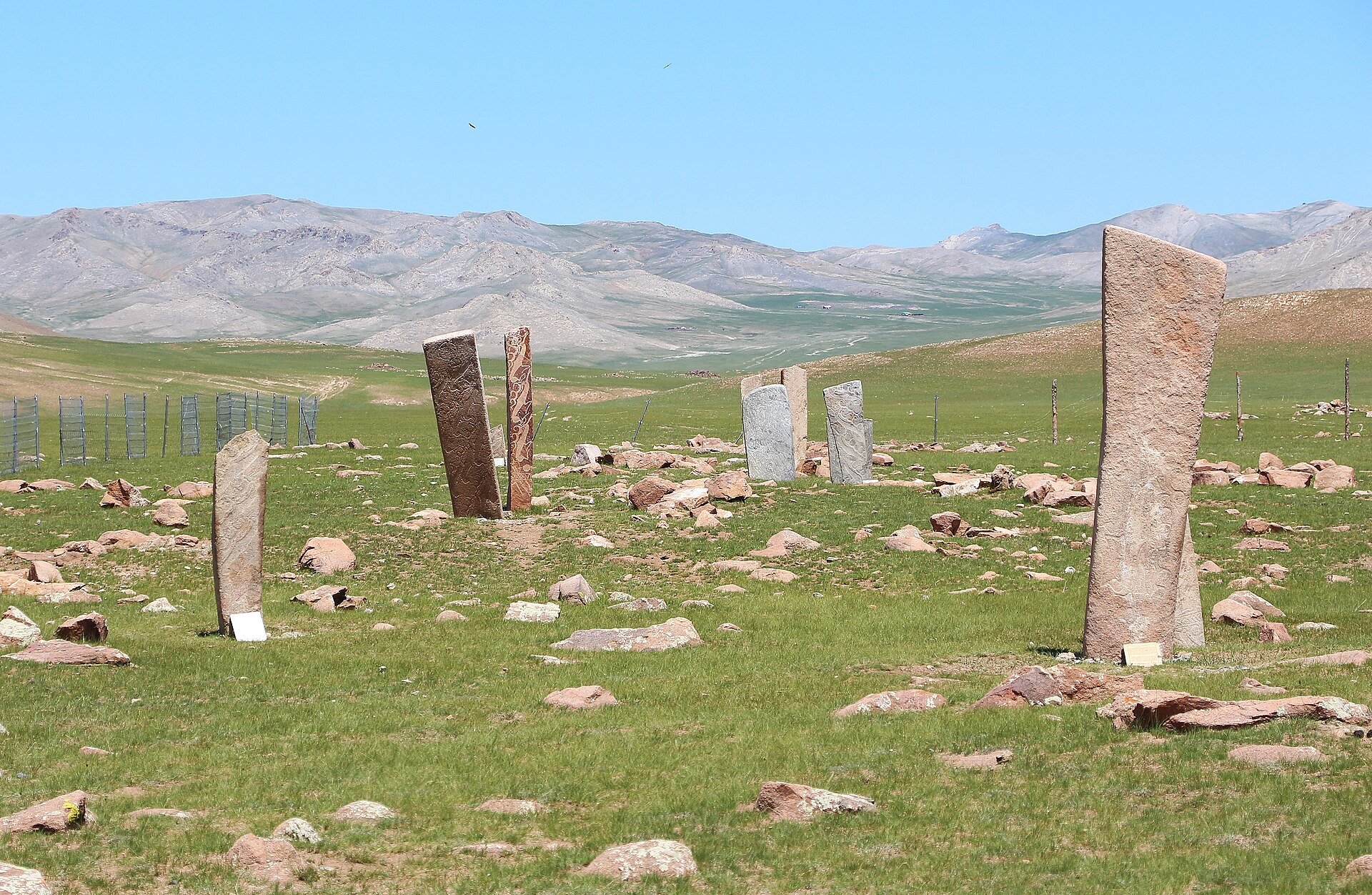
Bernard Gagnon, CC0, via Wikimedia Commons
An ovoo cairn — circled three times clockwise; the book shows the threshold and looks away.
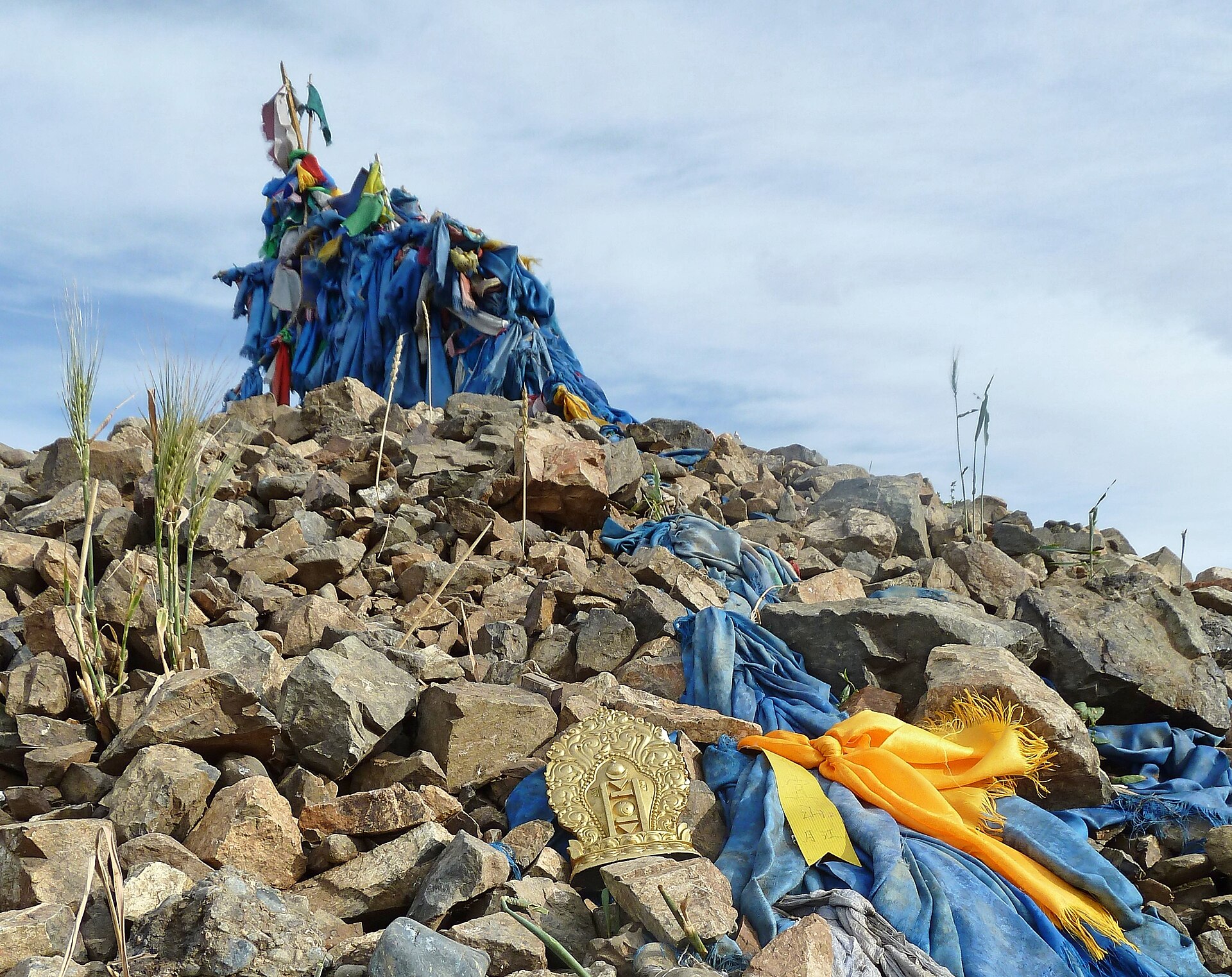
Pierre André Leclercq, CC BY-SA 4.0, via Wikimedia Commons
Peoples, in their own dress
A herder in the deel — the expert fighting to hand the life on, not a vanishing relic.
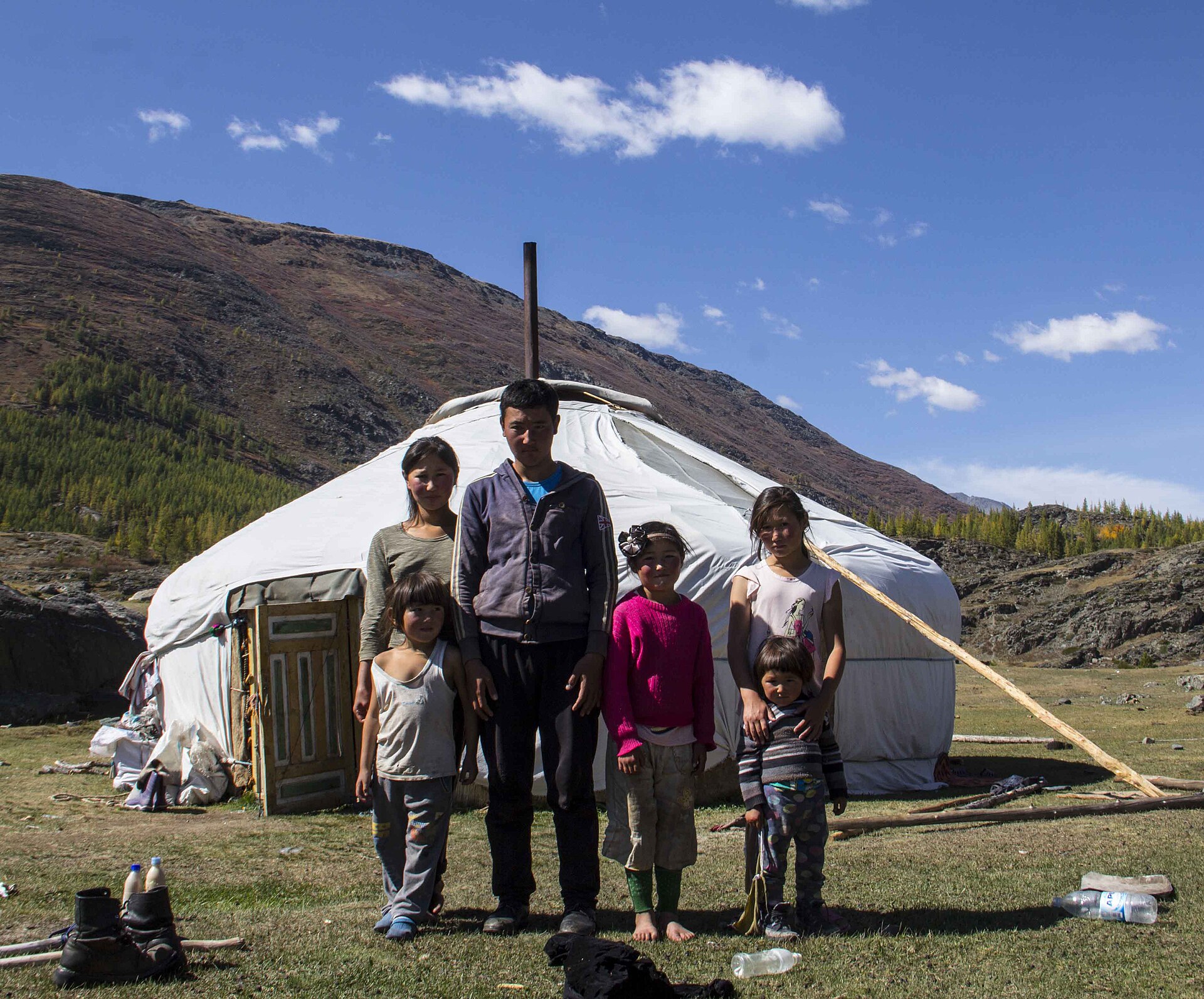
Gabideen, CC BY-SA 4.0, via Wikimedia Commons
Bökh wrestlers at Naadam — title earned by craft, the Eagle Dance before the bout.
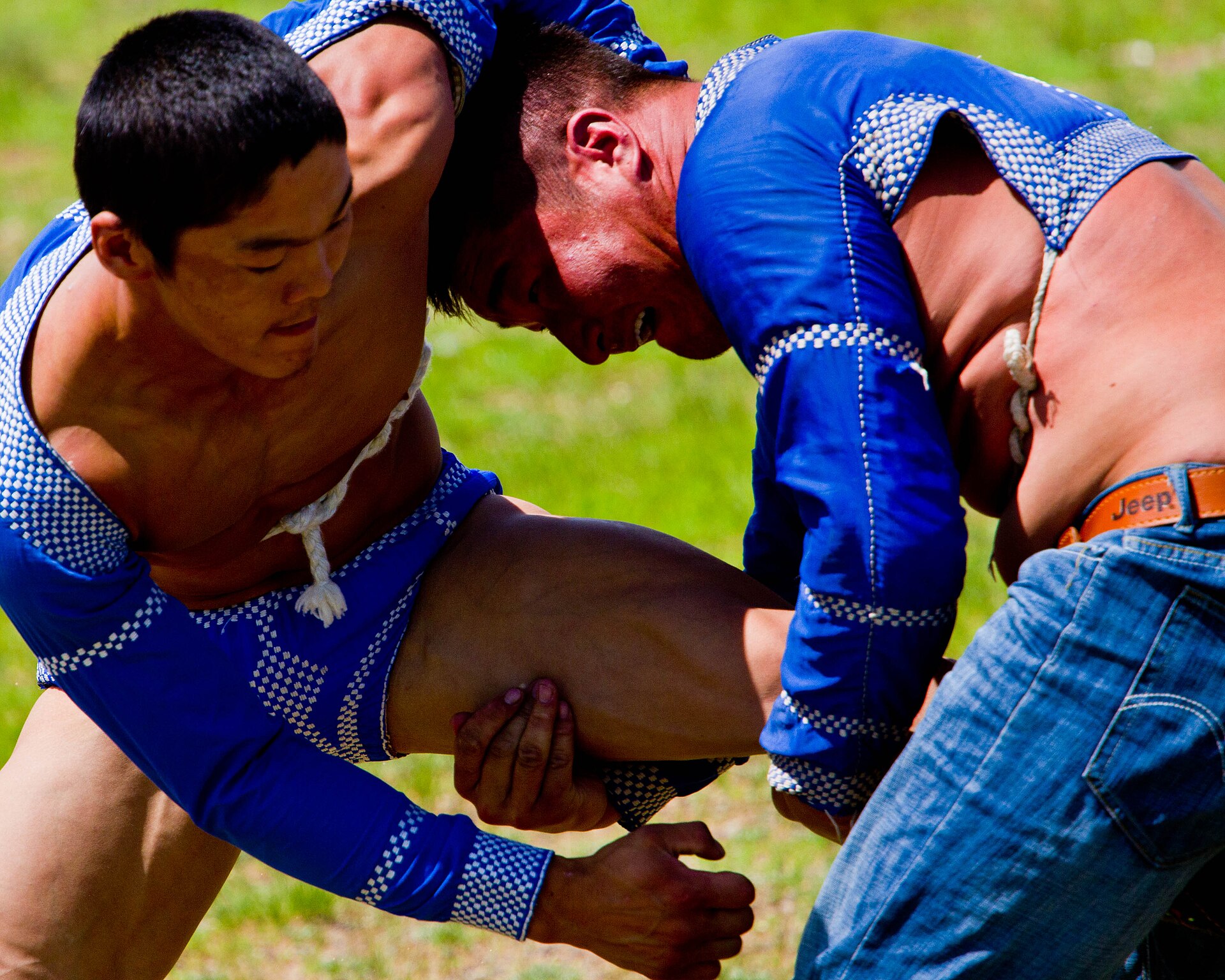
Paulo Fassina, CC BY-SA 2.0, via Wikimedia Commons
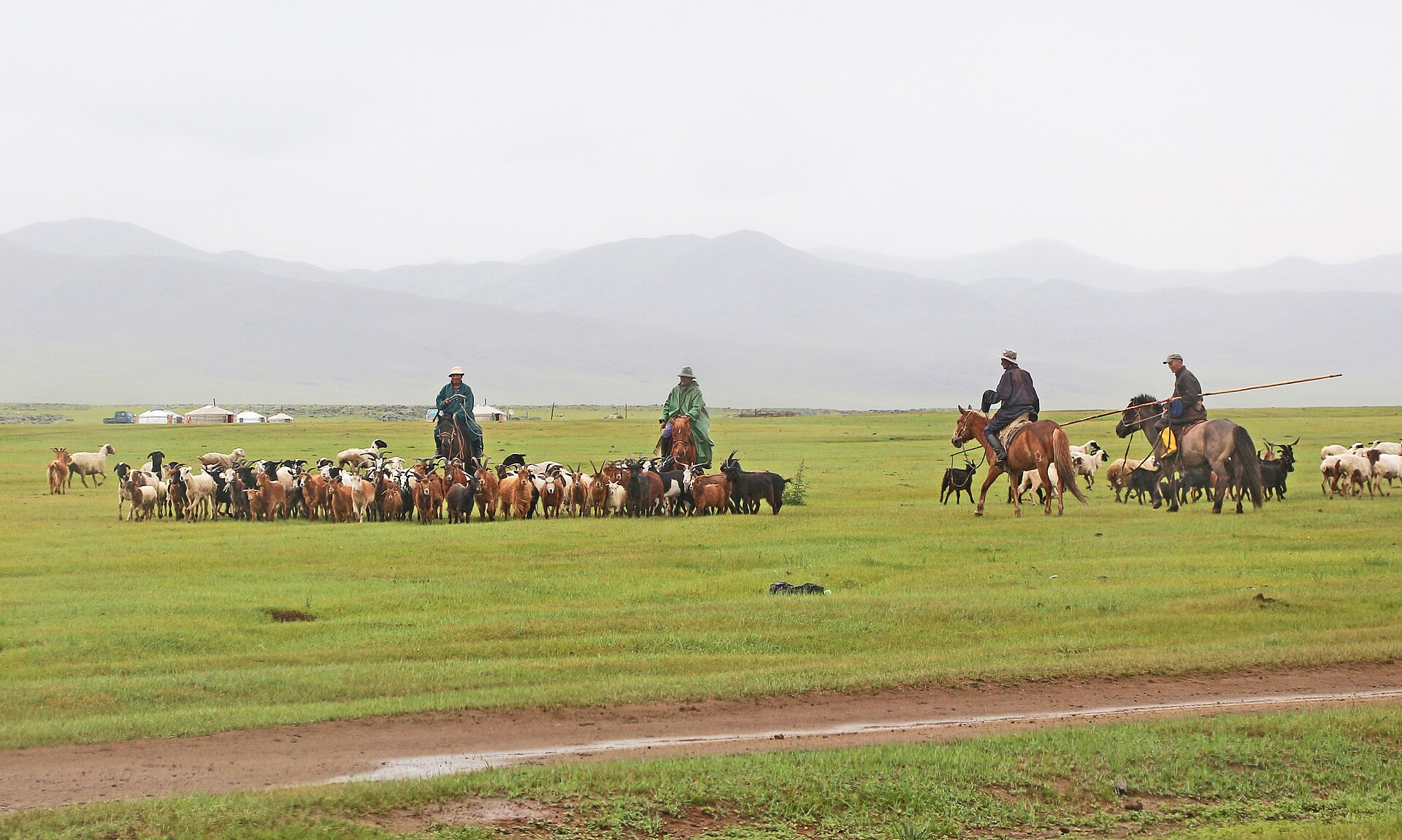
A horseman on the steppe — horses the cultural backbone of the five snouts.
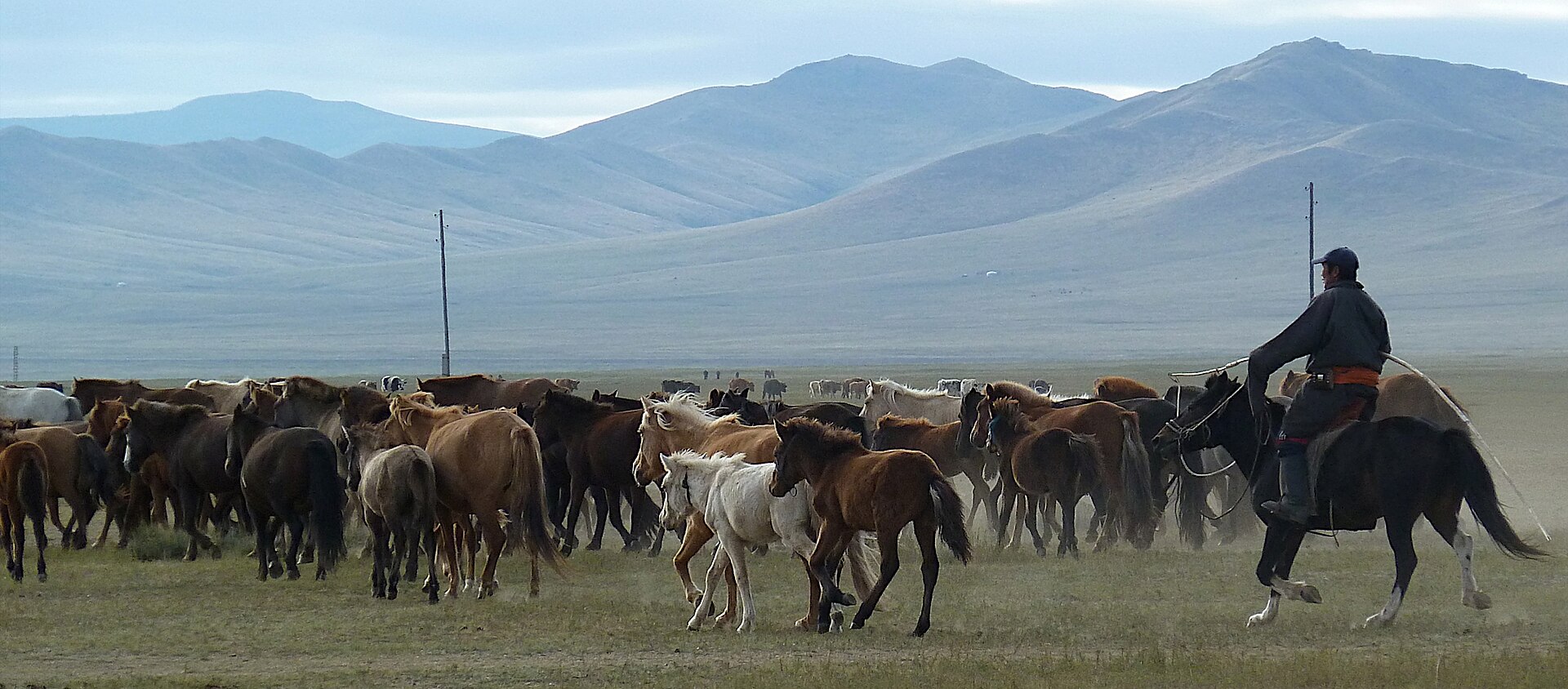
Pierre André Leclercq, CC BY 4.0, via Wikimedia Commons
All photographs are freely licensed (public domain / CC) via Wikimedia Commons. See each caption for author and licence.