Dedication
For Mark Harpur — the real one.
A nice and gentle man who has taken nomadic life as far as it can honestly go: gypsy photographer, windsurfer, van-life veteran, early freedom-seeker, now living aboard a self-converted electric sailboat and still moving when the wind says move. He draws with light for a living. Some of his surfing photographs — the ones that hold a whole wave in one frame — have been downloaded millions of times on Unsplash (@luckybeanz); strangers in grey offices on five continents have stopped scrolling for half a second and felt, because of him, free.
His coast essays for Happy Campers — especially Scratching the Southern Coast and The Garden Route: A Cultural Journey — are the real maps this fiction stole from: the Overberg light, the Garden Route deep-time spine, the voice of a man who photographs beautiful surfaces for a living and means every word of the adventure. Find them at happycampers.co.za.
You taught me that you can see a whole earth and skate clean over it, and that the rarest thing is not the next place — it is the one that finally makes you stay.
This coast is yours. So is the eye. Thank you for both — for the blogs, the boat, the frames, and the friendship.
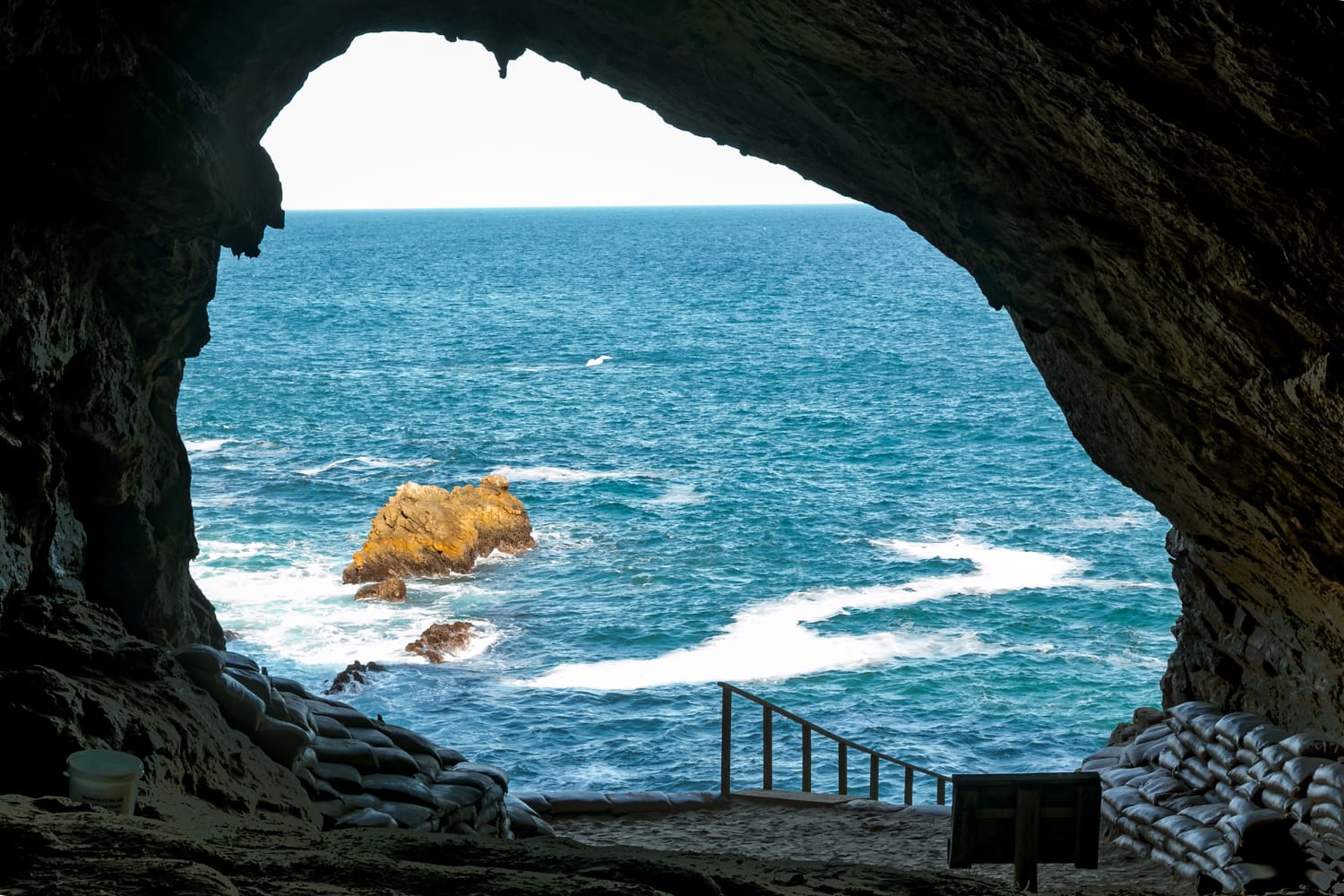
Photograph by Mark Harpur (@luckybeanz), donated to this book.
Foreword
by Submit Whirl †
I have spent a long life writing about Africa, and a long life being told, gently and otherwise, that the Africa I wrote was the Africa of the men who came to her, rifle in hand, rather than the Africa of the people who were always already hers. There is justice in the charge. I wrote the continent I was given to write, in the time I was given to write it, and I loved her with everything I had, and I would not unwrite a word — but I have lived long enough to want, very badly, to read the other book. The one that starts before the ships. The one where the cleverness and the courage and the deep knowledge of the land belong, from the first page, to the people of the land.
This is that book, and it undid me a little, and I am too old and have sold too many copies to pretend otherwise.
It is set on a coast I know in my bones — the Cape, the cold green water, the white dunes walking inland, the light that does the thing the light does there and nowhere else on earth. The author has a photographer for a hero, which is exactly right, because this is a coast that has to be seen before it can be believed, and the man's eye is the instrument that finds, in a midden in the dunes, a thing two hundred years of clever men walked straight past: the oldest deliberate mark a human hand ever made, scratched into ochre, here, on this shore, tens of thousands of years before anyone in my old cold motherland thought to draw on a wall.
Do you understand what that means, what this book quietly insists upon with hard physical evidence and a storyteller's refusal to let you look away? It means the thing I spent a career calling the dark continent was the place where the human mind first woke up and made something beautiful for no reason but to have made it. It means the light came on here. It means every condescension ever aimed at this coast was aimed at the cradle of the very faculty doing the condescending.
I wish I had written it. I could not have — it is not mine to write, and the author knows it, and builds the entire book around handing the telling to the people whose grandmothers' grandmothers did the scratching. That restraint is the most masterful thing in it. I filled my Africa with my own voice. He had the wisdom to get quiet, and let the country speak, and stand back like a man who has been let into a sacred place and knows it.
There is adventure here — a storm coming, a thing in the ground the sea is about to take, a gleam of gold that turns men dangerous, all the old engines I love and have cranked a hundred times. He cranks them beautifully; you will turn the pages too fast. But under the adventure is the thing I came too late in my own work to fully serve, and am so glad to have lived to read in his: the deep, true, documented, magnificent fact that it began here, with them.
Read it on a beach if you can. Lose your lunch to it. And when you reach the woman who reads the lines in the stone, put the book down for a moment and look out at the water, and understand that you are looking at the oldest art gallery on earth, and that someone has finally, properly, written it the way it deserved.
I tip my old hat. I have walked this coast my whole life. I never once saw it this clearly until a younger man showed me where to look.
— Submit Whirl
† “Submit Whirl” is an anagram of WILBUR SMITH — the beloved chronicler of Africa — borrowed here in homage and affection. This foreword is a work of fiction. It was written by the author of this book. Wilbur Smith did not write it, was not involved in it, and is not associated with or endorsing this book in any way. The name is rearranged precisely so that the tribute can never be mistaken for a real attribution; it is a salute, not a claim.
Chapter 1 — The Light Was Doing the Thing
The light was doing the thing it does on this coast for about eleven minutes a day, and Mark Harpur was the only person in the world watching it, which was the way he liked almost everything.
It came in low and long over the dunes at Stilbaai, the sun going down inland behind him, over the fynbos and the river, so that the great pale field of sand running east along the coast wasn't lit from above, the flat bright nothing a tourist's phone makes of it, but raked — struck sideways and gold, every grain throwing its own small shadow toward the sea, the whole face of the dune gone suddenly textured and strange, a thing you walked past at noon and never looked at and that the late sun turned, for eleven minutes, into a landscape on the moon. He had his bare feet in it. He had the old Fuji up at his eye, the one with the dent in the top plate from Mozambique, and he was not really thinking, which was the only state in which he ever did his good work. The thinking part of him switched off, the eye left alone to do the thing it had spent twenty years learning to do, which was to find, in a chaos of light, the one frame that held it.
He had been doing this his whole adult life. He had photographed sunrise over a frozen Patagonian lake from the deck of a borrowed boat. He had shot windsurfers at Jeffreys Bay so close to the lip of a wave that the spray had killed two cameras. He had a hard drive, several hard drives, the better part of a hundred and forty thousand frames, and people paid him, now, not very much but enough, to keep making more — to skim the most beautiful surfaces of the most beautiful places on a turning earth and bring back the one frame in a thousand that made a stranger in a grey office in London stop scrolling for half a second and feel, for that half a second, free.
It was a good life. He told everyone it was a good life because it was, and because saying so often enough kept a particular question from forming, which was the question of what it had cost him, which was a question he was very good at not letting form.
He moved three steps along the dune base, sand sliding cool over his feet, and put the camera back up, because the light had another two or three minutes in it and there was a shape in the dune face he wanted.
It was a midden. He knew that much. A local at the coffee place down by the river mouth, a brown man his own age with a fish-knife scar across one thumb and an easy way about him, had told him about it that morning — go walk the dunes east of the river, my bru, past where the tar runs out, the old people's leftovers are still in there, shells and bone going back further than anyone bothers to say — and Mark had gone, because Mark always went, and there it was: a long pale seam running through the dune where the wind had cut into it, and packed into the seam, exposed by the same wind, a dense band of broken shell. White mussel, mostly. Limpet. A few things he didn't know. Thousands of them, tens of thousands, a great drift of the eaten, the leftovers of people who had sat on this exact dune and cracked open the sea and thrown the shells over their shoulders, and done it for so long, so many generations, that the shells had become a layer in the earth, a stripe of we were here a metre thick.
He liked it. Not as history; he didn't, if he was honest, know the first real thing about the history. He liked it as an image: the pale seam, the gold light, the broken shell catching the sun and throwing it back like a band of dull coins set into the dune, and beyond it the long open sweep of the Indian Ocean going dark, and a single light or two coming on far back toward the river mouth. It was a photograph about time without him having to know anything about time. He framed it. He breathed out. He waited for the moment the light went from gold to the brief blinding orange it did right at the end, and in that moment he made three frames, and then the sun was down behind the land and the eleven minutes were over and the dune went grey and ordinary, the show done, finished all at once, the only way it ever finished.
He sat back on his heels in the cooling sand to check the frames, which was a habit, a thing he did between every burst, the small private screening, and he scrolled to the last three and zoomed in to check the focus was where he'd put it, on the shell band, and it was, and he was already half standing, already thinking about the walk back and the boat and whether there was beer, when his eye caught on something at the edge of the frame and made his thumb stop.
There was a stone in the dune face. Down low, at the bottom of the shell seam, half out of the sand. He hadn't seen it with his eyes — it had been at the very edge of the composition, a thing the eye skates past, which is exactly the kind of thing the camera does not skate past, the camera being a stupid and honest machine that records the whole rectangle whether you were looking at that part of it or not. A reddish stone, smaller than a fist, the colour of dried blood or old brick, and the low raking light had done to it what it had done to the whole dune, struck it flat and sideways and thrown every small unevenness on its surface into hard relief.
And the unevenness was not random.
Mark zoomed in further, expecting the marks to resolve into nothing — a trick of pixels, the sensor inventing pattern out of grain, which it does in bad light. They did not resolve into nothing. They resolved into more. Lines. A set of them, crossing another set, a lattice of fine scored lines cut into the flat face of the red stone, and even on the small bad screen, even at arm's length on his heels in the dark with the cold coming up off the sand, the photographer in him — the part that had spent twenty years learning the difference between a thing that happened and a thing that was done — looked at the geometry of those lines and felt the back of his neck go cool in a way that had nothing to do with the wind.
Because erosion does not do that. Water does not do that. Sand and wind and ten thousand years do not, cannot, lay one set of parallel lines across another set of parallel lines at a regular angle, again and again, evenly spaced, a hatch, a weave of lines, the kind of mark a person makes when they have decided — for a reason he could not begin to guess and that may have died with them — to take a hard sharp thing and draw it, on purpose, across a soft red stone.
He knew composition. He knew, in his hands and his eye and somewhere lower than either, the absolute difference between the accidental and the intended. It was the only thing he truly knew. And he was looking, on the back of a dented camera in the dark on a dune full of the leftovers of the dead, at the most intended thing he had ever photographed, and he did not have the first idea what it was, or how old it was, or why a fleck of something at the bottom of the deepest scored line was catching the last of the light and throwing it back, small and yellow and wrong, like a coin that had no business being there.
He stayed crouched there a long time, in the cold, scrolling between the three frames, while the last light went out of the dunes and the sea went black.
Then he did the thing he always did when he found something he couldn't read, which was to think of the one person on earth who could read anything — a soft old man in a terrible shirt he'd met a long way from here, who had once gotten Mark out of a problem in a country Mark didn't talk about, and who knew, among the ten thousand strange things he knew, things about old stone and old people that nobody should know.
He sat in the dark on the dune and he got out his phone, and he found the number under the name he'd saved it as, which was not a name, which was just the letter J, and he typed: Need your eyes on something. Cape. It's old. I think it's a drawing.
He looked at the three frames one more time before he hit send. The gold seam. The dark sea. And down at the bottom corner, where the eye skates past and the camera never does, the small red stone with the weave of deliberate lines and the wrong yellow gleam, sitting in the dune where someone had left it, waiting, the way it had waited a very long time, for somebody to finally stop skating the surface and look.
He hit send.
Out on the water, his boat sat dark and silent at its mooring, drinking nothing, asking for nothing, the small clean solar lights along its rail just coming on against the dusk — and Mark Harpur, who had photographed the most beautiful surfaces of half the world and never once stayed long enough for any of them to go deep on him, walked back down the dune toward it knowing, the way the eye knows a thing before the mind will agree to it, that this time he was not going to be able to move on.
The light was gone. But the thing in the frame was still there. It would be there in the morning, and the morning after, and it had been there, he would learn, for longer than there had been a word in any language for the thing it was.
He just had to wait now for the man who could tell him what it was.
Chapter 2 — A Man Who Drives Like He's Closing a Drawer
He did not phone back. He did not text back. For two days there was nothing at all, which Mark had learned, the few times their lives had crossed, was simply how the man worked — a silence that was not rudeness and not even really silence, more the quiet of a thing moving toward you that you couldn't hear yet.
On the third morning Mark was up on deck with coffee, watching the harbour wake, when he heard it.
You heard the Beast before you saw it, everyone said that who'd ever heard it, and now Mark understood why. It came down the road above the harbour as a sound first — not loud, that was the strange part, not a boy-racer's announcement, but a low even note with a fine hard edge threaded up inside it, a whine wound into a bass, the sound of an engine being fed more air than an engine that size had any business getting, and it carried across the water and turned Mark's head before he'd seen a single panel of the thing. Then it came round the last bend and down toward the slipway, and it was exactly what he'd been told and somehow still nothing he was prepared for: an old khaki Land Cruiser, double cab, faded to the no-colour of dust, dinged along one flank, a square canvas water-bag weeping a dark stain down its side, looking for all the world like a wreck on its last legs to the harbour — and moving, down a steep camber, with the flat composed ease of a thing that could have gone up the side of the mountain if it felt like it.
It rolled to a stop at the top of the slip, nose-out, the way a man parks who likes to know where the exits are, and the engine died, and the morning got quiet again, and a soft-bellied old man in a bad shirt climbed down out of it and stood and looked at the boat across fifty metres of still water, and lifted one hand, and Mark felt his whole chest do something it had not done in a long time, which was to be glad, simply and uncomplicatedly glad, to see another human being.
"Harpur," Jakobus said, when Mark had rowed the little tender across and tied up and climbed the slip. He had a grip like a tool and let go before it meant anything. "You've gone and got yourself a boat."
"You've still got the truck."
"I've still got the truck." He turned and looked at it, fond, the way you look at an old dog. "She came over on a ship. Don't laugh." Then he turned back and looked, properly, at Mark — that slow grey-green look that took the whole of you in and somehow did not feel like being assessed, only like being seen, which Mark had forgotten, in the years between, and which landed now like a hand on the back of the neck. "You look better," the old man said. "Lighter. You found something out there that's been good for you."
"How do you—"
"Your face." A glance back at the boat, the silent clean lines of it, the solar along the rail. "And the boat. A man builds a thing like that — quiet, no fuel, takes the wind and asks nothing — when he's worked out he doesn't need to make a noise to go somewhere. That's a good thing to work out. Took me longer." He said it without weight, the way he said everything, and then, because Mark had not seen him in years and had texted him at midnight about a stone, the old man got, gently, to the point. "Now. You said it's old, and you said it's a drawing, and you don't use words you don't mean, even at midnight. So." He held out one broad hand, palm up. "Show me."
They sat on the slip in the early sun and Mark put the camera in the offered hand, the frame already up on the screen, and he watched the old man's face while he looked at it, because he had spent his life watching faces and there was no face in the world he'd less expected to be able to read, and he was right, he couldn't — except for one thing.
Jakobus went still.
Not surprised-still. Not a flinch. A deeper stillness than that, the stillness Mark had only ever seen in him once before, years ago and a long way from here, the stillness of a man for whom a great many alarms have just, very quietly, gone off at once, and who has decided not to let a single one of them reach his face. He looked at the small red stone in the bottom corner of the frame, and the weave of scored lines, and the small wrong gleam at the bottom of the deepest line, and he did not say good Lord and he did not say where is this and he did not say any of the things a normal man says. He just looked, for a long time, his thumb moving once to zoom, and the harbour woke up around them, and a gull complained, and a fishing boat went out past the wall.
"Where," he said at last. Flat. The way Mark would learn he said the most important things.
"In the dunes. Past the harbour. There's a midden—"
"I know there's a midden." Still looking at the screen. "There's middens all down this coast. Shell heaps. The old people sat here and ate the sea for ten thousand years and the leftovers are still in the sand. That's not this." He turned the camera a few degrees, so the low sun ran across the screen and the scored lines stood up sharper. "This is older than the shells, Harpur. A lot older. The shells are on top of where this came from, which means this washed out from underneath, from down where the dune's eating into something the wind hasn't finished uncovering." A pause. "And it shouldn't be here. That's the thing your eye caught and your head hasn't got to yet. It's the wrong thing in the wrong place, and your camera saw it because your camera doesn't know what it's supposed to expect, and so it didn't skate over it the way a person would. The way I would have, probably, if I'd walked past it. You did a thing this morning that two hundred years of clever people with degrees have walked straight past." He handed the camera back, and looked at Mark, and there was something in the soft ruined face that Mark could not name and would spend the rest of this trying to. "You found it because you weren't looking for it. That's usually how the real ones get found."
"Found what, though? What is it?"
And the old man did not answer that, which Mark would also learn was a thing he did. He answered the question under the question, or no question at all, and made you wait for the one you'd actually asked. He stood, knees cracking, and looked out at the dunes past the harbour wall, the long pale shoulders of sand going gold-grey in the morning, and the sea beyond them, and further than the sea, south, where there was nothing but water and then ice and then the bottom of the world.
"You know what they call it," he said, "what you do. Photography." He said the word like he was turning it over. "Drawing with light. That's the actual meaning of it, the Greek. Drawing with light." He nodded, slowly, at the dunes. "And you came down here to draw with light, and the first thing you point your light-drawing at, the very first morning, is the oldest drawing on earth." He turned and looked at Mark, and the dry came up under it, the warmth under the dry. "I don't believe in much, Harpur. But I've learned to pay attention when a thing rhymes like that. The country was waiting for the right man to walk past with the right machine, and it waited a very long time, and this morning it got you." A beat. "So. We're going to go and look at it. And then I'm going to make some phone calls to people who are allowed to dig, because it's not ours and it's not for us. And you're going to take more photographs, because it turns out your eyes are the best instrument anybody's brought to this coast in a hundred years, and the photographs are going to matter."
He started toward the truck, then stopped, and looked back at the boat one more time, the silent clean thing on the still water, and something passed over his face that Mark thought, later, might have been envy, or might have been its gentler cousin.
"Nice boat," Jakobus said. "You went forward. I went and got the heaviest thing I own and dragged it across an ocean." He almost smiled. "We're the same animal, hey. We just can't agree on what to pack."
And he got into the Beast, and it woke under him with that low impossible note, and Mark stood on the slip with the camera in his hand and the gleam of the wrong yellow stone still on the screen, and understood that whatever this trip had been going to be — a few weeks of light and surf and moving on, the surface skated, the frames banked, the next place already calling — it was now going to be something else entirely, and that for the first time in twenty years he did not want to move on.
He wanted to dig.
Chapter 3 — What the Wind Was Eating
They walked out to the dunes in the flat first light, before the wind, because Jakobus said the wind would be up by nine and the wind was the enemy now, and Mark didn't ask how he knew the wind would be up by nine. He'd watched the old man read the sky once already that morning, standing on the slip with his head tipped back and his bare forearms folded, and he'd understood that for Jakobus reading the weather was the same kind of thing as reading a face: not a trick, not a guess, just a lifetime of paying attention to a thing most people walked under without seeing.
The Beast they left at the harbour. Not because it couldn't have gone — the thick sand of the dunes was the one surface that truck was happiest in, it would have walked up the face of them at a tickover and asked for more — and not, Mark suspected, because it was illegal, which it was; you couldn't drive on a beach anywhere in this country, and Mark had watched this same man break larger rules than that without his pulse changing, the way a honey badger goes through a fence it has decided is in its way. He left it because of something else. You walk onto old ground, he said. You don't drive onto it. And that was the whole of it: the one law on this coast he had no intention of breaking was not the state's. So they went on foot, Mark with the camera and a second body and the macro lens he almost never used, the old man with nothing in his hands at all, moving over the soft sand with the soundless economy that still unnerved Mark a little, a heavy man who left almost no trace where Mark sank to the ankle and left deep sliding holes.
The midden was where Mark had left it, the pale seam in the dune face, the band of broken shell. But the light was different at this hour, cold and even and grey, and in it the thing Mark had photographed at dusk looked smaller and more ordinary, a reddish stone half out of the sand at the bottom of the cut, and for one cold moment Mark thought he'd imagined the whole of it, that he'd be the man who dragged a legend off his ship for a trick of the dying light.
Then Jakobus crouched in front of it, not touching, his forearms on his knees, and went still in that way, and Mark stopped worrying.
"Don't touch it yet," the old man said. "And don't let me touch it. We're not the ones who get to touch it. But come here and look at what the dune's doing, because this is the part nobody's going to believe and your camera's going to have to prove."
Mark crouched beside him. And Jakobus, who had not laid a finger on anything, pointed — at the cut face of the dune, the raw wall of it where the wind had been chewing, and read it to him from the top down like a man reading a page.
"Sand," he said, of the top. "Modern. Last few hundred years, the dune walking inland the way they do. Then—" his finger dropped a hand's width "—the shells. The midden. The old people's leftovers, and that's old, that's properly old, two thousand, five thousand years, people sitting here eating the sea. Everyone knows about the shells. The shells are fine." His finger dropped again, below the shell band, to where the dune face went from packed pale grit to something darker and harder and more compacted, a different material entirely. "And then this. Underneath the shells. Older than the shells, because it's under them, because that's how it works, the deep stuff is the old stuff, the world stacks its history bottom to top and doesn't lie about the order. This dark layer here. This is the one that matters. And your stone—" he indicated the reddish ochre, gently, with an open hand "—did not come from the shell layer. Look at the colour of the sand still stuck to it. It came from down there. From the dark old layer. The wind cut into the dune, and it reached the old layer, and it pulled your stone out of a place it has been lying, undisturbed, since long before anyone sat here cracking mussels, and it dropped it at the bottom of the cut, where you photographed it last night by accident, about a week before the next storm finishes the job and the sea takes the whole face and your stone, and the dark layer, and whatever else is in it, goes into the water and is gone forever."
Mark looked at the dark layer. It looked like nothing. It looked like darker, harder sand.
"How old," he said. "The dark layer."
"I don't know exactly. That's not my job and I'd be guessing and I don't guess about this. But I'll tell you what my gut says, and my gut has stood in a lot of old places." The old man was quiet a moment. "On this coast, the dark old layers like that, the ones with worked stone and ochre and the leavings of people who were already thinking — they run back tens of thousands of years. Seventy. A hundred. This is the coast, Harpur. This coast. The little towns along here with their holiday houses and their fish and chips are sitting on top of the oldest things any human being ever did on purpose. Where they found a man's drawing, a real drawing, scratched on a piece of ochre, older than every cave painting in Europe by tens of thousands of years. They found it in a cave in the cliffs a few kilometres from where we're standing — this same coast, this same red ochre, a layer just like this one." He looked at the reddish stone. "And your eye, and your stupid honest camera, just found another one falling out of a dune at the side of the road, a week before the sea was going to eat it."
The wind stirred. Far off but coming, a first breath of it lifting a thread of sand off the top of the dune and carrying it east.
Jakobus stood, and looked at the sky, and Mark watched his face do the small private arithmetic of a man who has just been handed a deadline he didn't choose.
"Right," the old man said. "Here's where we are. That stone, and that layer, are the most important thing on this coast and they are going to be at the bottom of the sea inside a week, maybe less, and I cannot dig them out, because it is not mine to dig and a man who pulls a thing like that out of the ground himself, alone, with no record and no right, is a thief, no matter how good his reasons. The whole value of a thing like this is where it was lying — the layer, the depth, the order, the things around it. You rip it out, you've still got a pretty red stone and you've destroyed the only thing that made it matter. I've watched men do that. I won't."
"So what do we do?"
"Two things, fast." He held up a finger. "One. You photograph it. Properly. Everything. The stone, the layer, the cut face, the whole dune, the scale of it, the position of it — you make a record so complete that when the sea takes it, which it will, the record survives, and an honest person years from now can stand where you're standing and know exactly what was here and where. Your camera becomes the thing that outlives the site. You good at that?"
"It's the only thing I'm good at."
"Then it's the only thing that matters this week." A second finger. "And two. I make some phone calls. Because there are people on this coast — the right people, the people whose grandfathers' grandfathers sat on this exact dune and made that stone — and people who're allowed to dig, properly, with permits and care and the right hands, and some of them owe me, and all of them will want to know that the sea is about to eat the oldest thing in the country while everybody argues about paperwork. And we are going to get them here before the storm, and we are going to do this right. Not fast-and-dirty. Right. Which is harder, and slower, and the only way that doesn't make us as bad as the people who'd just grab it."
He looked back at the stone one more time, the small red thing scored with its weave of deliberate lines, and the gleam of wrong yellow at the bottom of the deepest one, and something crossed the soft ruined face that Mark would think about for a long time, because it was the closest he ever saw the old man come, in all of this, to being afraid.
"That little gold mark in the bottom line," Jakobus said, very quietly, almost to himself. "Don't put that in anything you send anyone. Not yet. Photograph it, keep it, lock it. But that's the part that changes what this is, and that's the part certain people would kill to have, and the moment that's known, this stops being archaeology and becomes something a lot more dangerous." He turned and started back across the sand toward the harbour and the morning. "I've seen what that gold does to people, Harpur. I've spent a lot of my life cleaning up after it. Photograph everything. Tell nobody about the gold."
And the wind came up behind them, lifting the sand, beginning, grain by grain, to eat the dune.
Chapter 4 — The Woman Who Read the Lines
She came the next afternoon, ahead of the others, in a bakkie older than the Beast and twice as rusted, and she got out of it slowly, an old woman in a man's fleece and worn veldskoens, and she did not look at Mark or at Jakobus first. She looked at the dunes.
She stood by her bakkie at the harbour edge and she looked at the long pale shoulders of sand going down to the sea, for a long time, with the open undefended face you turn on someone you've loved and not seen in years, and Mark, who photographed faces for a living, found he could not photograph hers, and put the camera down, and did not know why except that it would have been like photographing someone praying.
"Auntie Sara," Jakobus said, when she finally turned, and he did a thing Mark had not seen him do — he dipped his head, slightly, the bare eyes coming up to meet hers and staying there, a small old courtesy with the whole weight of the man behind it. "Thank you for coming. I know it's a long way, and I know whose road it is."
"It's a long way," the old woman agreed. She had a voice like the bottom of a dry riverbed, cracked and unhurried. "And it's my road, and it's my coast, and you're a boer with a Cruiser who got a phone number off a man in Upington, so before you say another word, I want to know why I should believe you're not the same as every other one of you who ever stood on my sand and told me what my own grandmother's people did or didn't do."
And Jakobus did not bristle, and did not explain himself, and did not produce a credential. He just looked at her, and let her read him, openly, the standing invitation he held out to everyone, and said: "You shouldn't. Believe me, I mean. You shouldn't believe a word of it on my account. That's exactly right and I won't ask you to." He gestured at Mark. "Believe him. He found it. He doesn't know the first thing about what it is and he found it anyway, because he wasn't looking, because he was just trying to make a pretty picture of your grandmother's grandmother's leftovers, and his camera saw a thing two hundred years of clever people walked past. He's got no theory to sell you. He's got a photograph. Look at the photograph, Auntie, and then tell us what it is, because you'll know, and we won't."
The old woman looked at Jakobus a moment longer. Then she looked at Mark, properly, for the first time, and something in her face shifted — not warmth, not yet, but the small recalibration of a person deciding to give you the next ten minutes.
"Show me," she said.
Mark showed her. He brought the photographs up on the camera's screen, the good ones from yesterday, the macro frames he'd spent two hours on his belly in the sand to make: the red stone, the scored lines raked sharp by the morning sun, the lattice of them, clean and deliberate and undeniable. And he watched Auntie Sara's cracked old face while she looked, the way he'd watched Jakobus's, and where Jakobus had gone still, the old woman did something else entirely.
Her eyes filled.
She didn't make a sound. She didn't move. She just stood there in her man's fleece with the camera in her two hands and looked at the scored red stone, and the tears came up and stood in her eyes and did not fall, and Mark understood that he was looking at something he had no right to and could not look away from, which was a woman recognising the handwriting of her own ancestors.
"Ja," she said, finally. Very low. "Ja. That's ours."
"Tell us," Jakobus said, gently. "If it can be told."
She was quiet a while. The sea worked at the foot of the dunes.
"You want to know what it means," she said at last. "That's the question all of you ask, and it's the wrong question, and I'll tell you why, because you—" a nod at Jakobus "—you at least know it's the wrong question, I can see that, but he doesn't yet." She looked at Mark. "You take pictures. So you'll understand it this way. When you make a picture, a good one, the one that makes a stranger stop — what is it for? What does it mean?"
Mark opened his mouth, and closed it, because he didn't have an answer, because there wasn't one, because the whole point of the good ones was that they didn't mean a thing you could say.
"You see," the old woman said, and there was the first warmth in it now, dry and small. "It doesn't mean. It's not a word. It's not a code. The clever ones want it to be writing, a message, the ancients are telling us something — and it's not that, and the fact that they need it to be that is the whole sickness in them. My people scratched those lines on that stone the same reason you make your pictures. Not to say something. To be someone. To put a mark on the world that means I was here, and I was a person, and I had a thing in me that needed to come out of my hand onto a surface, and so I made it, on purpose, the way no animal makes anything, the way only a thing that has woken up inside itself makes a mark for no reason but to have made it." She looked at the photograph. "That's the oldest thing there is. Older than language. Before language, maybe. The first time a person took a hard sharp thing and drew a line that didn't need to be there. That's the moment we became us. Not the fire. Not the spear. The useless beautiful line. And my grandmother's grandmother's people did it, here, on this coast, before anyone anywhere else we know of, and your clever men in Europe with their cave paintings came along sixty thousand years later and the world decided that was where art began." The tears were gone now, dried by something harder. "It began here. It began with us. And every single one of you that ever came to this coast was taught it began somewhere else, because the people who taught you couldn't stand for it to have begun with us."
Nobody spoke. The wind moved over the dunes.
"That," Jakobus said quietly, to Mark, "is the thing this book of photographs you're making is actually about. And you're going to let her say it, and the men who come to dig are going to let her people say it, and not one of us is going to stand in front of a camera and explain her own ancestors back to her. We're the road. She's the country." He turned to the old woman. "There's a storm coming, Auntie. Three days, maybe less, and then the sea has the dune and the stone and everything under it. I've got people coming who can dig it right. But it's your call, and your people's call, every step. We don't move a grain of that sand without you saying so. You tell us what happens to it. All of it."
Auntie Sara handed the camera back to Mark, carefully, with two hands, the way you hand back something that matters.
"Then we'd better get my cousins down here before the rain," she said. And, almost to herself, looking out at the dunes one more time: "Sixty thousand years they waited in there. And it's a boer and a man with a camera who come and find them, three days before the sea. (a dry, cracked sound, not quite a laugh) The old people always did have a sense of humour about who they let do the finding."
She walked back to her rusted bakkie to make her calls, and Mark stood with the camera in his hands and the weight of the thing settling into him, and realised that in twenty years of skating the surfaces of the world he had never once, not for a single frame, been part of something that mattered — and that he was now, and that he did not, for the first time he could remember, want to be anywhere else on earth.
Out past the harbour wall, the sea was beginning to chop, the first of the swell the storm was pushing ahead of itself. The light was going flat and silver. And somewhere down in the dark old layer of the dune, under the shells, where it had lain through the whole of human history with its useless beautiful lines and its one fleck of impossible gold, the stone waited, as it had always waited, for the few short days it had left in the air before the water came.
The Real Places in This Book
A note from the author, and an invitation.
Everything in this novel is made up. And almost none of it is.
That is the strange, true heart of History Before Time, and it is the reason for these closing pages. Mark Harpur in these chapters is the real Mark — named openly, with his blessing — but he is still a character on the page: I have invented scenes, dialogue, and a find he never photographed. Jakobus is invented (inspired-by, not a portrait). The Order, the adversary, the gold-key thread, and the Khoisan custodian who leads the dig are fiction. But the coast is real — every mile of it — and the science underneath it is among the most astonishing on Earth, and you can go and stand in much of it, and I hope you do.
Here is what is real, what is genuinely debated, and what I made up. You deserve to know the difference — that honesty is the whole point.
A real person — Mark Harpur. If you have never heard his name, that is because he has spent his adult life moving, not promoting. Mark is a South African-born gypsy photographer — windsurfer, van-life veteran, early freedom-seeker — who now lives aboard a self-converted electric sailboat and documents the world in the one frame that holds a whole place. His surfing and travel photographs on Unsplash (@luckybeanz) have been downloaded millions of times; strangers on five continents have stopped scrolling because of his eye. He is a photographer of note in the only sense that matters: he makes people see. His coast essays for Happy Campers — especially Scratching the Southern Coast and The Garden Route: A Cultural Journey — are the real maps this fiction stole from: the Overberg light, the Garden Route deep-time spine, the voice of a nice and gentle man who has taken nomadic life as far as it can honestly go. What's real: the man, his work, his boat, his blogs, his friendship. What I invented: the text to J., the storm race, the placed ochre in the dune, and every scene where plot needs him to stay when the real Mark might sensibly have sailed on — though I suspect, reading him, that the real man would have stayed too, once he saw what was in the frame.
Blombos Cave (near Stilbaai, Western Cape). Real — a limestone cave in the cliffs a few kilometres from Still Bay, excavated for decades by Christopher Henshilwood and colleagues. What's real and genuinely world-changing: engraved ochre pieces and a ~73,000-year-old ochre cross-hatch — widely cited as among the oldest known deliberate drawings made by human hands — and a long record of symbolic behaviour from this coast. What I invented: the portable scored stone Mark finds washed out beneath a midden seam; the gold fleck in the deepest line; any suggestion that the famous Blombos pieces were "placed" in a dune by someone in the story's present. The wonder needed no invention from me; it only needed to be pointed at. Visit through the Blombos Museum of Archaeology in Stilbaai and the public literature — do not treat this novel as a field guide.
Stilbaai, the Goukou River mouth, and the shell middens. Real. Still Bay is a real town; the dunes east of the river mouth carry San/Khoisan shell middens — dense bands of mussel and limpet shell built up over generations, ordinary and beautiful and very old in the human sense, even when the band you can see is Holocene. What I invented: the specific midden Mark shoots at golden hour, the ochre turned up in its face, and the storm eating the site on the book's clock. Go walk the coast Mark walked — at low light, with your eyes, not only your phone.
Pinnacle Point (Mossel Bay). Real — a series of caves on the cliffs above the Indian Ocean, with evidence of ~164,000-year-old ochre use, heat-treated tools, and shellfish diet among the earliest signatures of modern human behaviour we can point to in the archaeological record. What I invented: any specific relay beat or gold-bearing that ties this site to the series mythos. The science is public; the drama is mine.
Klasies River Caves (Tsitsikamma) and Nelson Bay Cave (Plettenberg Bay). Real — further east along the Garden Route Mark's own blog names, carrying the same deep-time spine. UNESCO-listed Klasies River is part of the longer human story of this coast. What I invented: how and when Mark and Jakobus reach them in this draft.
The worked ochre cross-hatch — real science, fictional find. The geometry Mark sees on the back of his camera rhymes with real Blombos material held in museums and described in peer-reviewed work. The portable stone in the dune, set or washed out beneath a shell band, with a fleck of impossible gold pressed into the scored lines — that is story. The mystery the book builds on is deliberate: not whether humans first scratched a mark into a surface on purpose on this coast (they did), but why this one was carried and placed — a question fiction is allowed to ask because the real record is still being read.
Jakobus Swart. Invented — inspired-by, deliberately not a flattering self-portrait. He reads stone in the story because Mark reads light; their friendship on the page is real in spirit. The Beast (his Land Cruiser) and his home-ground wound on the Cape are fiction built from real places.
The Khoisan custodian and community in this book. Invented — a placeholder expert who leads, because that is the law of this series: locals are the authorities; the find is theirs; Jakobus witnesses and Mark serves the eye. Before publication this manuscript must be read and guided by Khoisan and broader San heritage advisors and sensitivity readers; no character here speaks for any real community. Authority over knowledge and heritage on this coast belongs to the people who carry it.
On the bigger ideas. This novel plays, for the joy of it, with a deep-time wonder that mainstream archaeology does increasingly honour on this coast — that the human symbolic mind woke early here, in Africa, long before the cold museums of the north pretended art was their invention. I also want to be honest that fringe "lost civilisation" thinking has an ugly history of denying African genius to Africans. This book is written in flat refusal of that ugliness. The wonder is real, and it is theirs, and it belongs — now — to all of us who go and look with respect.
So: go. Walk the Stilbaai dunes at the hour the light rakes them. Stand at Pinnacle Point and feel how old the view is. Drive the Garden Route slow enough to read the cliffs. You don't need a secret order or a piece of impossible gold.
You just need to go and see.
— A.J.G.
Places in Photographs
These images are freely licensed via Wikimedia Commons. Each file is embedded in the ebook from books/southern-coast/design/images/; the link below is the canonical source and credit line. Full compendium: books/southern-coast/design/IMAGE_COMPENDIUM.md.
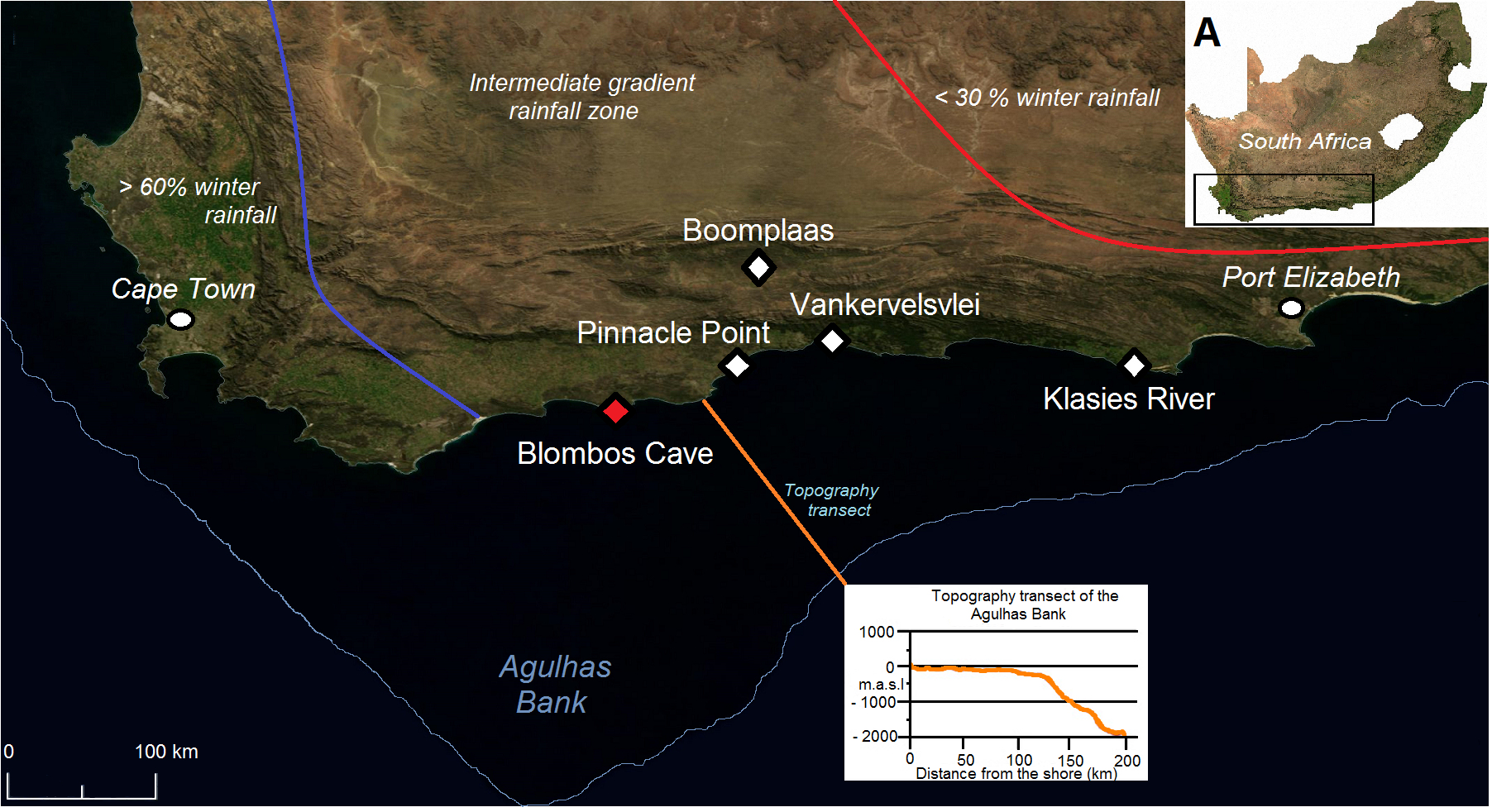
File:Blombos Cave location.jpg — Turid Hillestad Nel, Christopher Stuart Henshilwood, CC BY 4.0
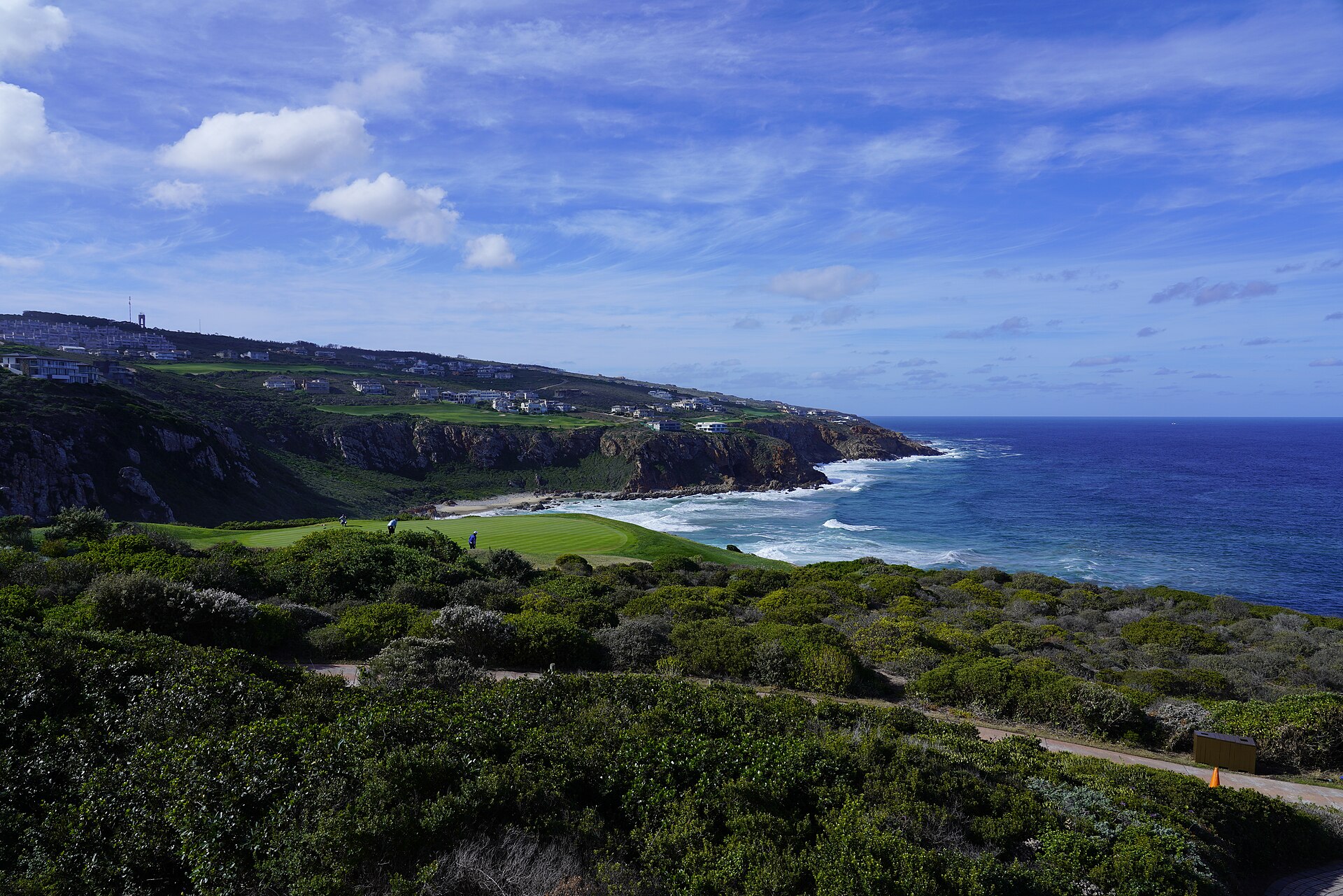
File:A view from Pinnacle Point, Mossel Bay, South Africa.jpg — Satdeep Gill, CC BY-SA 4.0
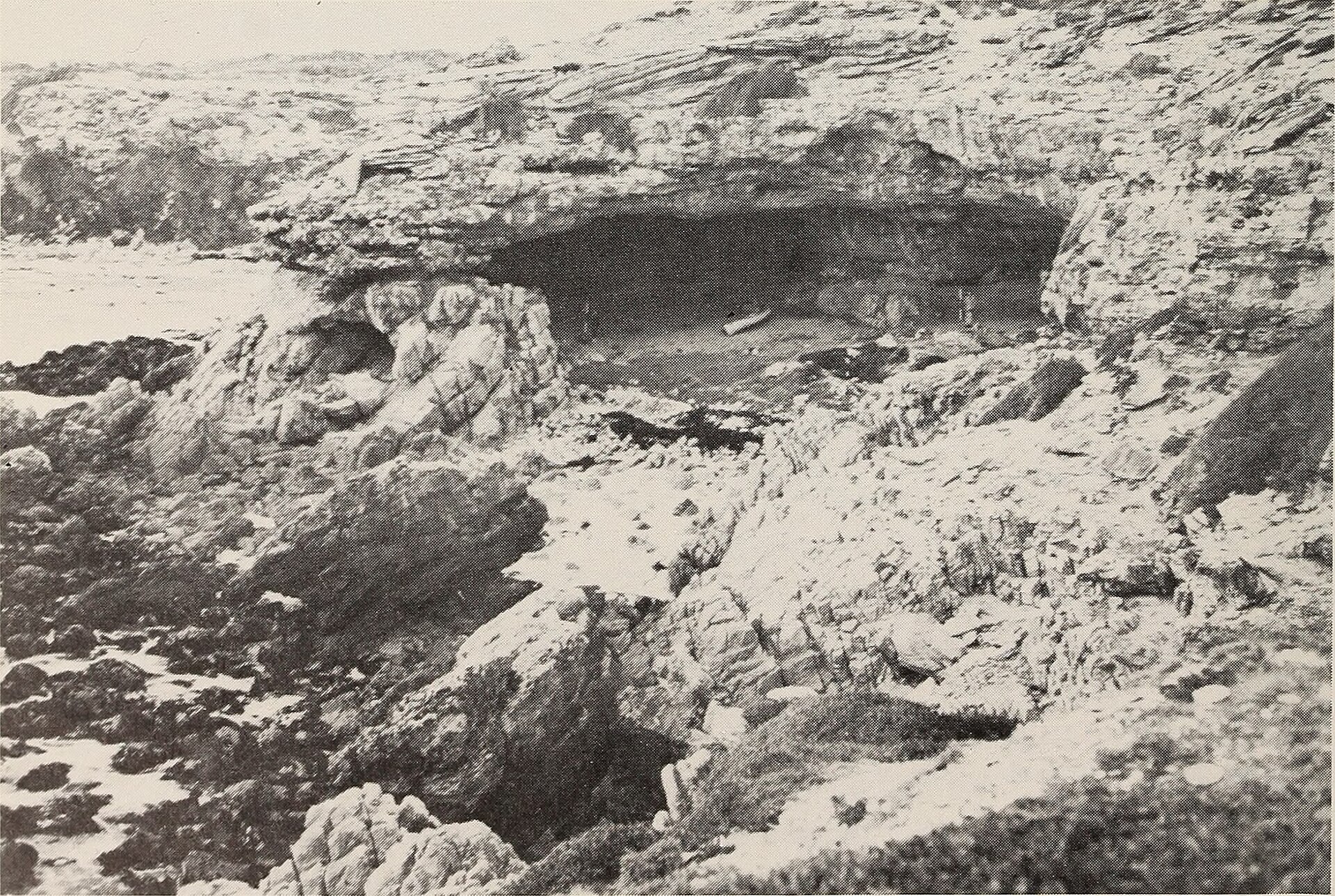
File:Annals of the South African Museum (1979) — Internet Archive Book Images, Public domain
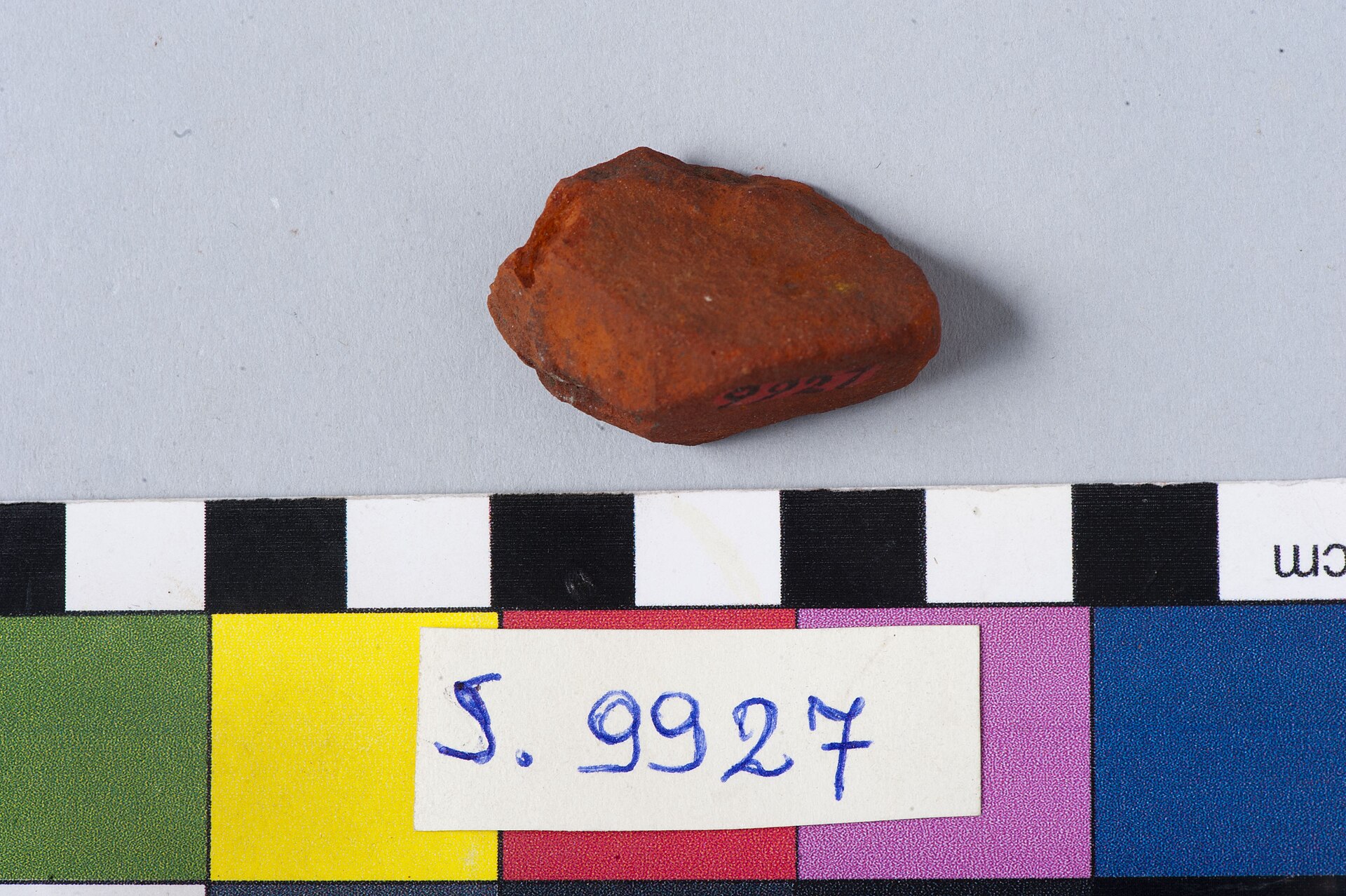
File:Fragment of red pigment Ochre — Museo Egizio, Turin — Unknown author, CC0
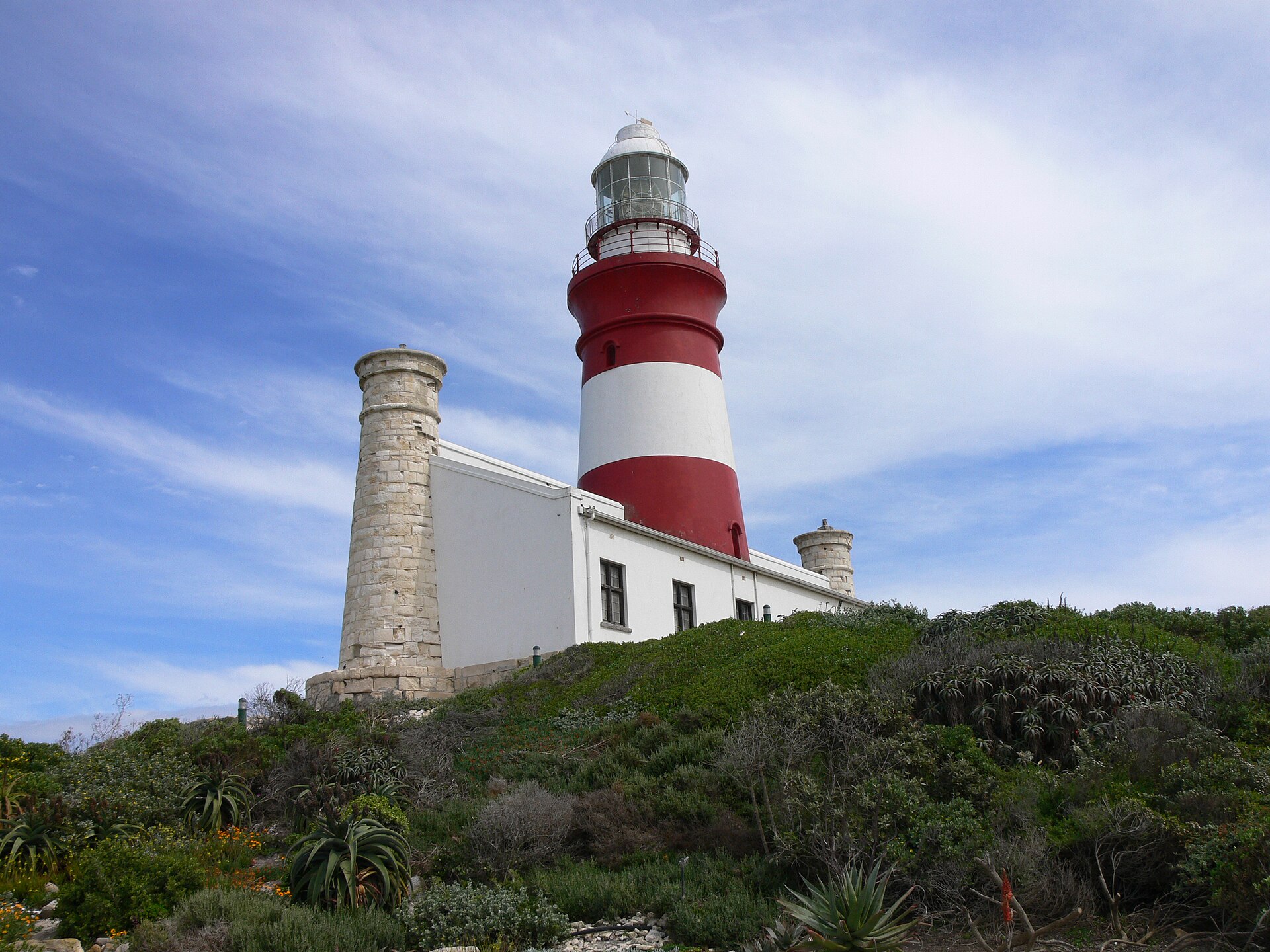
File:Cape Agulhas P1040396.JPG — Winfried Bruenken (Amrum), CC BY-SA 2.5
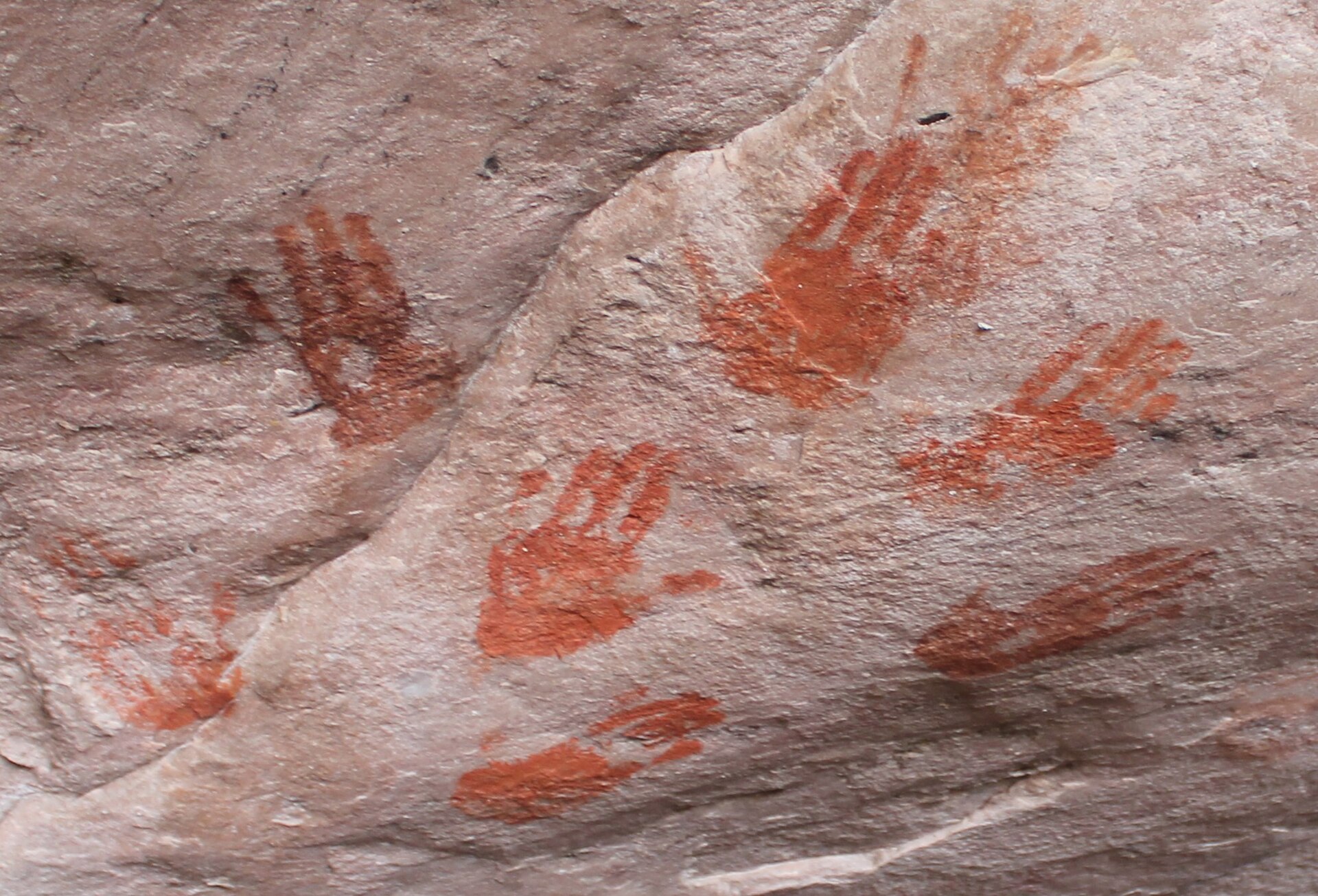
File:Hand prints, Diepkloof Rock Shelter, Elands Bay — Andrew Hall, CC BY-SA 4.0
And one frame that is not borrowed from anyone. The photographs above are freely-licensed stand-ins — pointers to places you should go and see. This last one is the real thing: a frame from the coast, made by the photographer this whole book is dedicated to, and donated by him to these pages. It is the only image in the book shot by the man it is for.
Photograph © Mark Harpur (@luckybeanz), donated to this book. All rights reserved.
When the Money Comes — A Promise
From the author, to Mark, on the record.
This book began in his blogs and his Unsplash catalogue — in a life lived lightly and honestly on the water and the road. I borrowed his eye for fiction because no invented photographer could do what he does: hold a whole coast in one frame and make a stranger feel free.
When these books begin to earn properly — when the relay pays for more than ink and servers — I intend to take Mark with me in the Beast, Jakobus's old Land Cruiser, and go and document the real places behind this series: the calendars and caves and coasts and deserts, with the man who draws with light for a living behind the lens and the man who reads old stone beside him. Not for the fiction. For the record. For the children. For the joy of finally not skating the surface.
He agreed. That is the part I am proudest of.
Until then, read his work. Follow the coast he already scratched. And know that the photographer in this novel is not a tribute from a distance — he is a friend, and the road is waiting.
— A.J.G.
<!-- BEGIN image-compendium-appendix (generated by tools/injectimageappendix.py) -->
Image Compendium — Dedication
The places, peoples, and wonders in this book are real. These freely-licensed photographs (public domain or Creative Commons, via Wikimedia Commons) are gathered here so you can see them — go stand in them. Each image carries its photographer and licence.
Places of awe
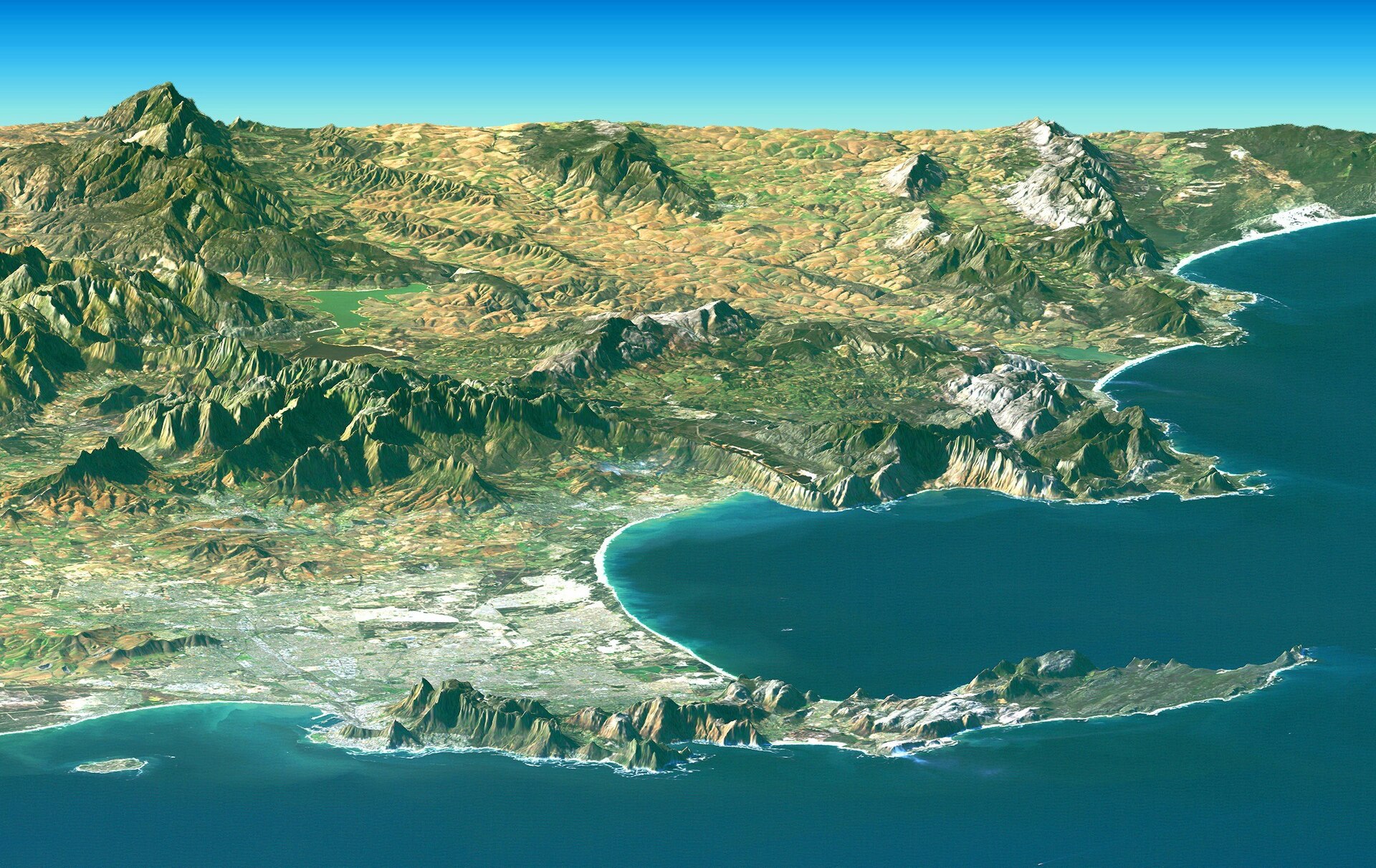
Stilbaai — the dunes where the mark turned up in the raking light. <small>NASA, Public domain, via Wikimedia Commons</small>
Pinnacle Point, Mossel Bay — the earliest evidence of the modern human mind. <small>Satdeep Gill, CC BY-SA 4.0, via Wikimedia Commons</small>
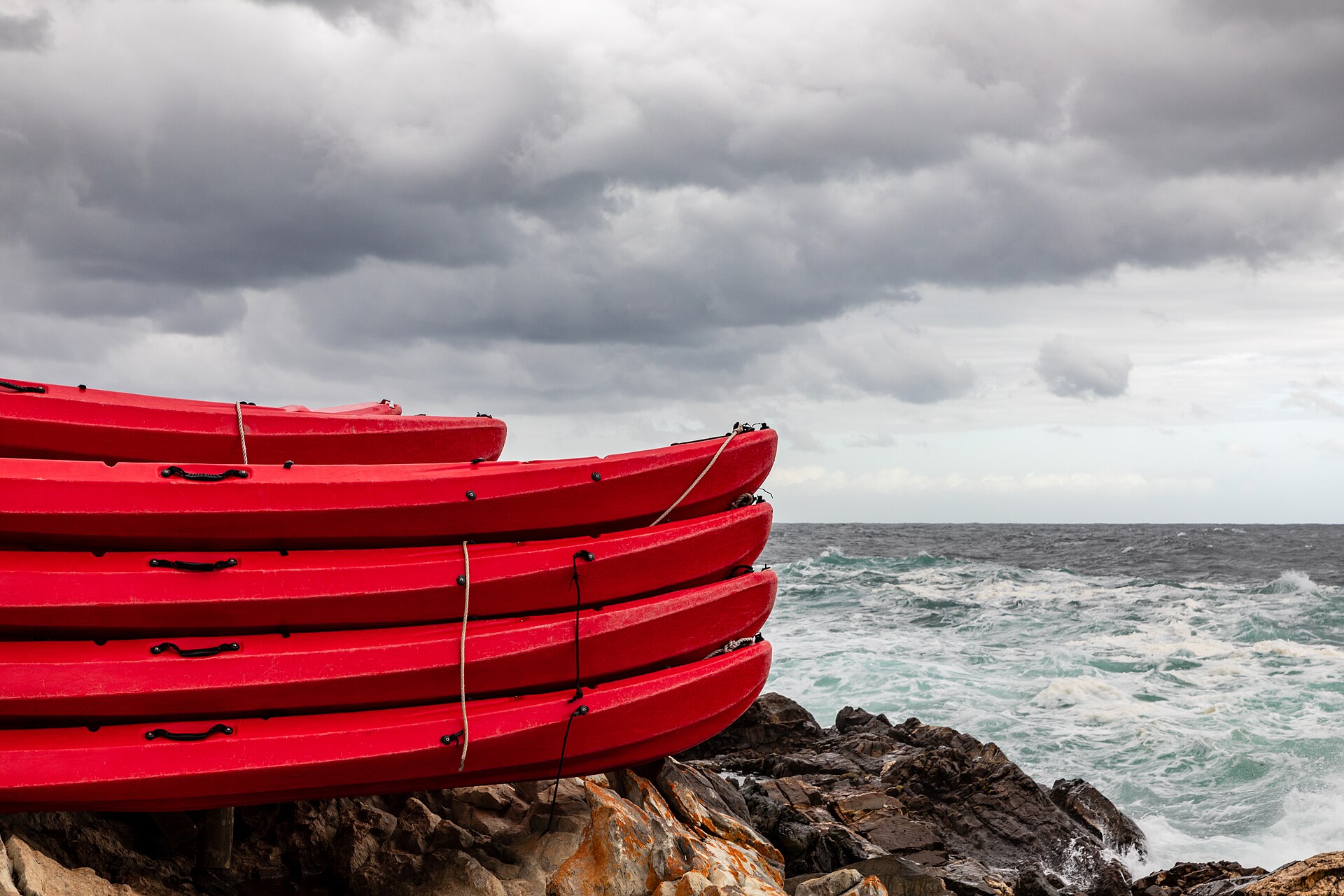
The Tsitsikamma — the Klasies River caves' wild shore. <small>Dietmar Rabich, CC BY-SA 4.0, via Wikimedia Commons</small>
Cape Agulhas — the true southern tip of Africa, where the bearing runs off the map. <small>Winfried Bruenken (Amrum), CC BY-SA 2.5, via Wikimedia Commons</small>
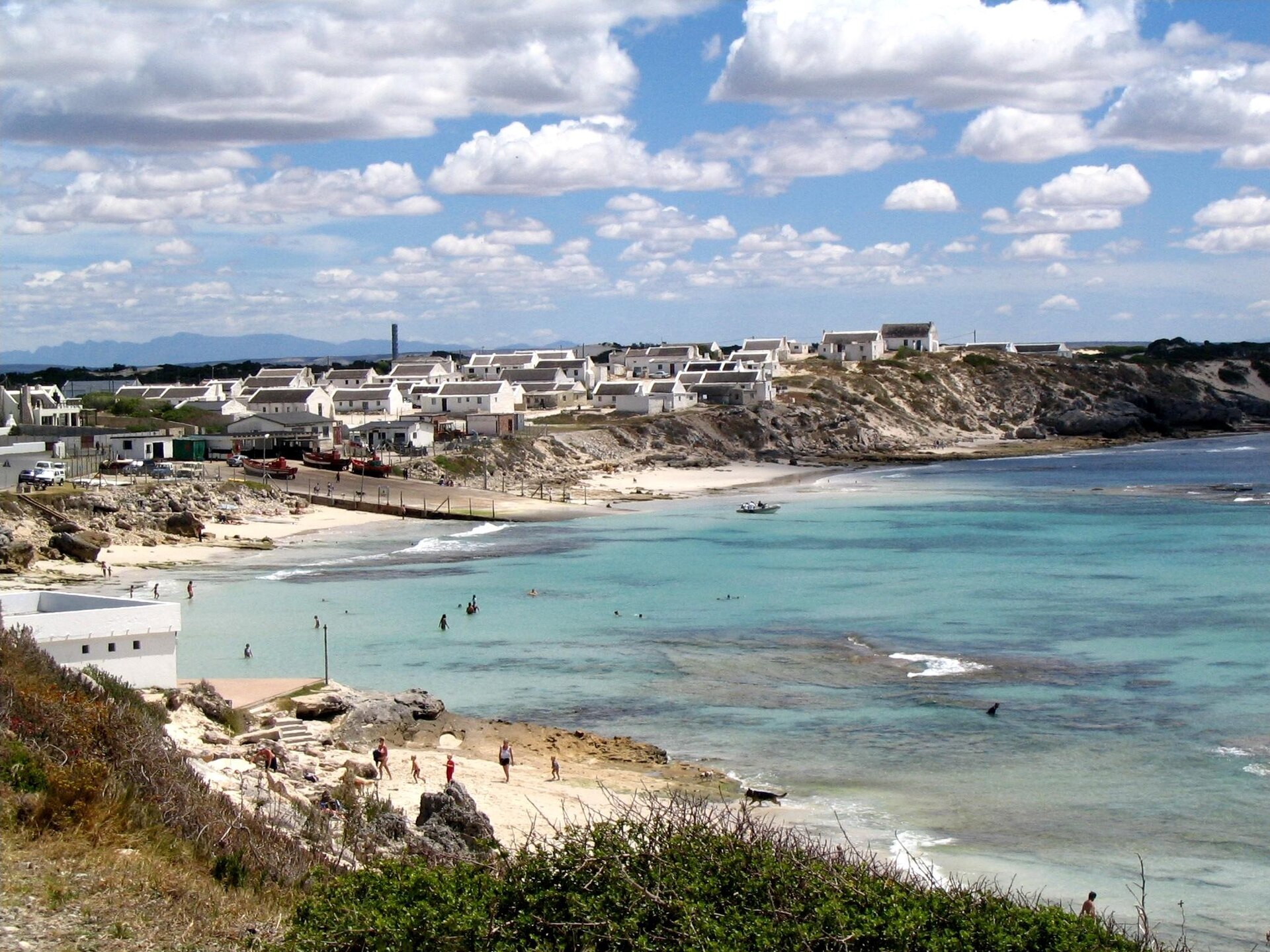
Arniston / Waenhuiskrans — the sea-cave coast of the Overberg. <small>Bothar at English Wikipedia, Public domain, via Wikimedia Commons</small>
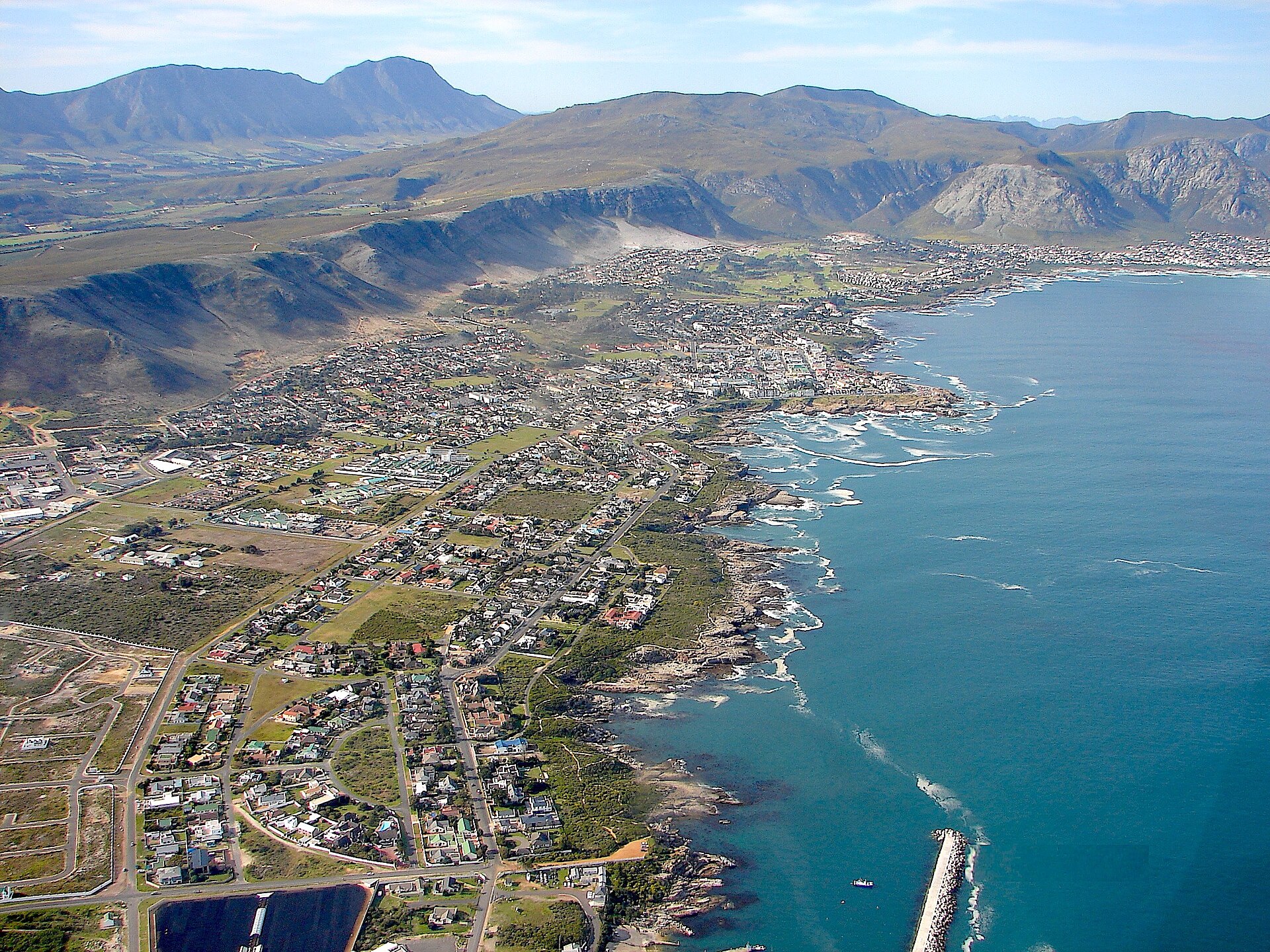
Hermanus and Walker Bay — the western leg of the photographer's coast. <small>Olga Ernst, CC BY-SA 4.0, via Wikimedia Commons</small>
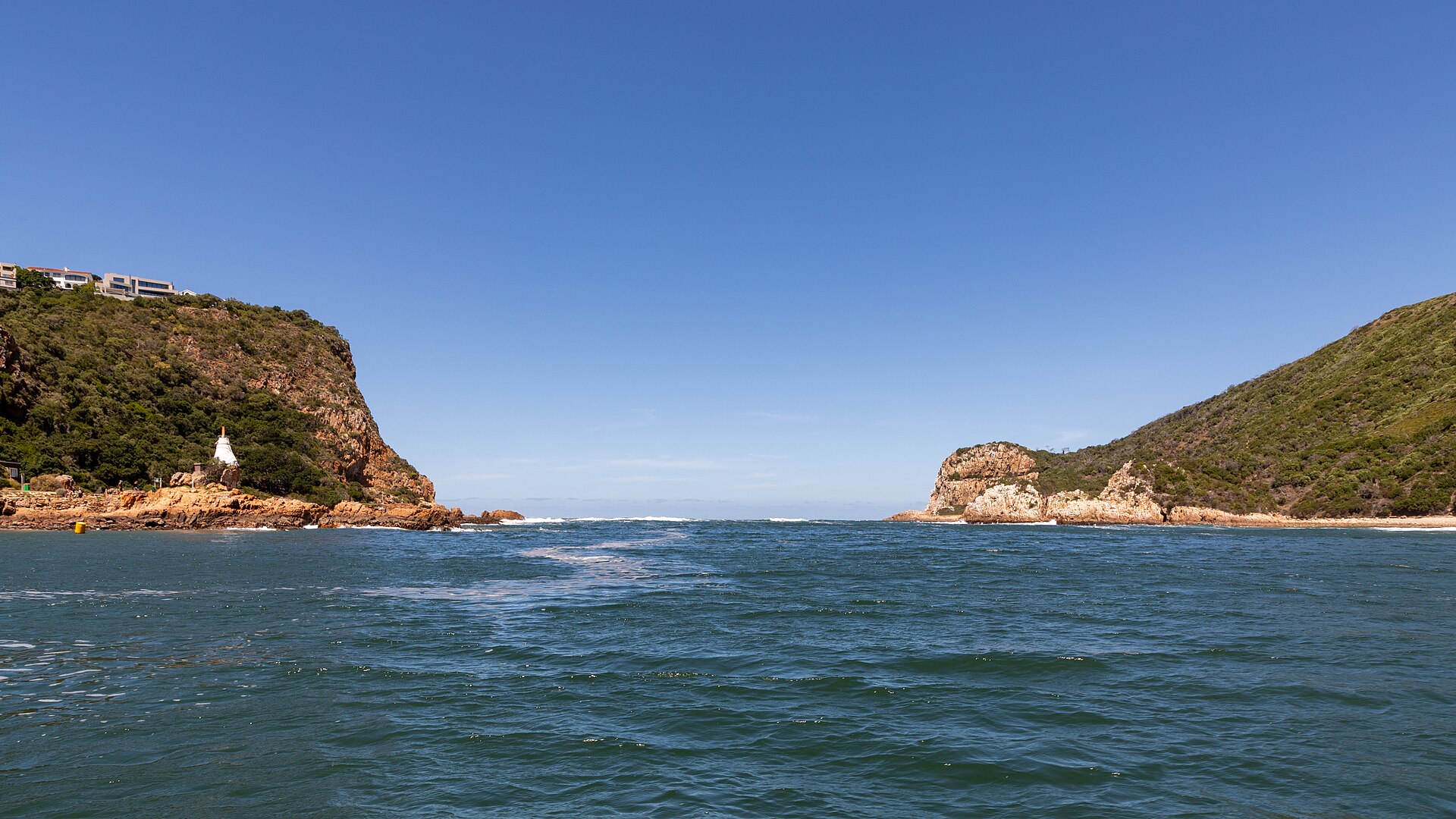
The Knysna Heads — the Garden Route's stone gateway. <small>Dietmar Rabich, CC BY-SA 4.0, via Wikimedia Commons</small>
Things of wonder (made by hand)
Blombos country — home of the ~73,000-year-old ochre cross-hatch, the oldest known drawing. <small>Turid Hillestad Nel , Christopher Stuart Henshilwood, CC BY 4.0, via Wikimedia Commons</small>
Worked ochre — the red earth the first marks were made in. <small>Unknown author, CC0, via Wikimedia Commons</small>
A shell midden in the dunes — the ordinary heap the find washed out beneath. <small>Internet Archive Book Images, Public domain, via Wikimedia Commons</small>
San rock art of the Cape — the long continuous habit of making a mark. <small>Andrew Hall, CC BY-SA 4.0, via Wikimedia Commons</small>
Peoples, in their own dress
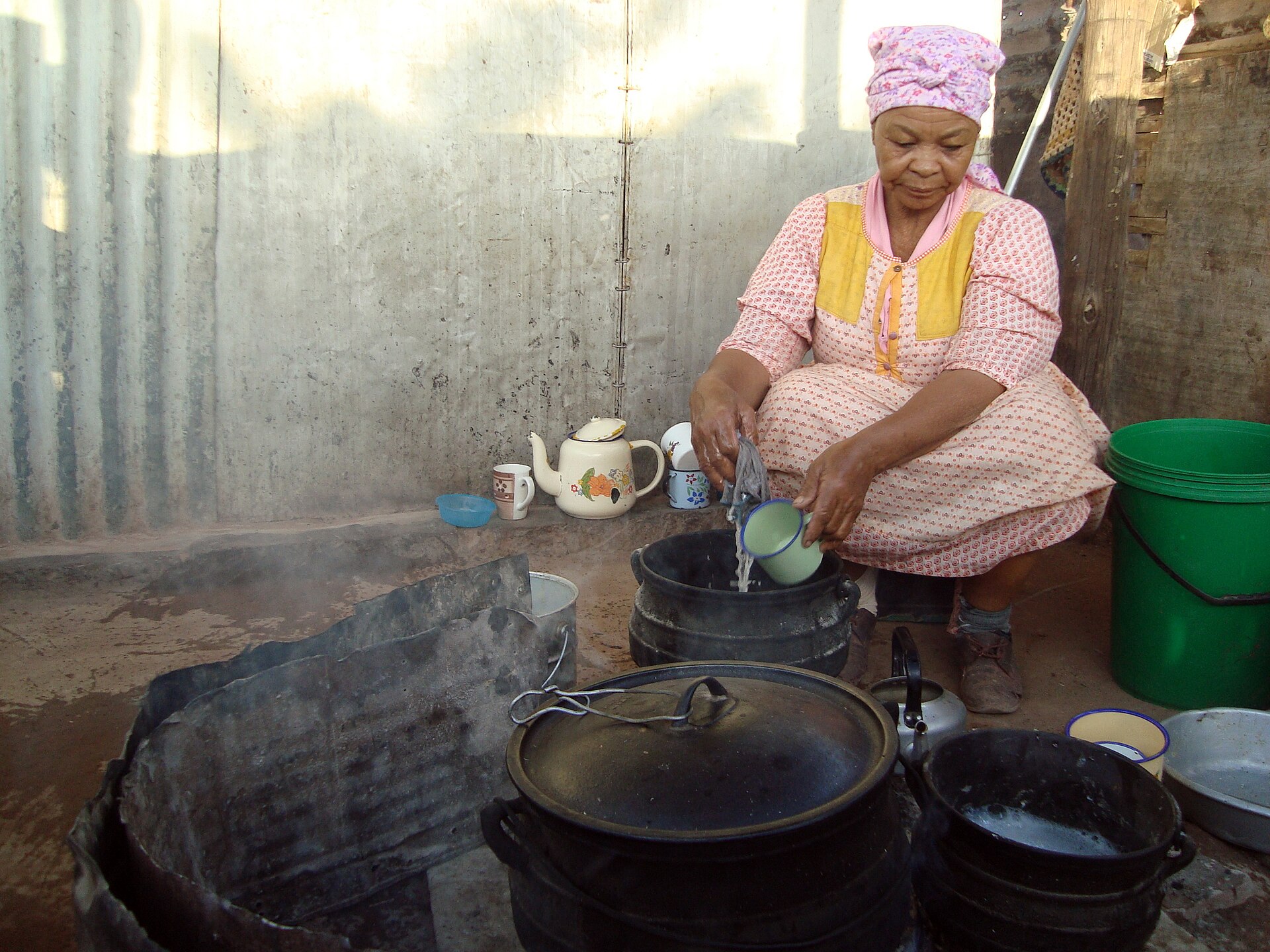
The Khoekhoe / San of this coast and country — the people whose ground and find it is. <small>Shark studio, CC BY-SA 4.0, via Wikimedia Commons</small>
The photographer's own frame
The southern coast, seen the way this book was dedicated — a sea cave by Mark Harpur himself. <small>Photograph © Mark Harpur (@luckybeanz), donated to this book — the one frame here shot by the man it is for.</small>
<!-- END image-compendium-appendix -->